Get crypto tax education active right
Before you execute your first trade, you need to understand how the IRS treats your assets. Cryptocurrency is property, not currency. This classification triggers capital gains tax on every sale, swap, or trade. Ignorance of the rules does not exempt you from reporting requirements.
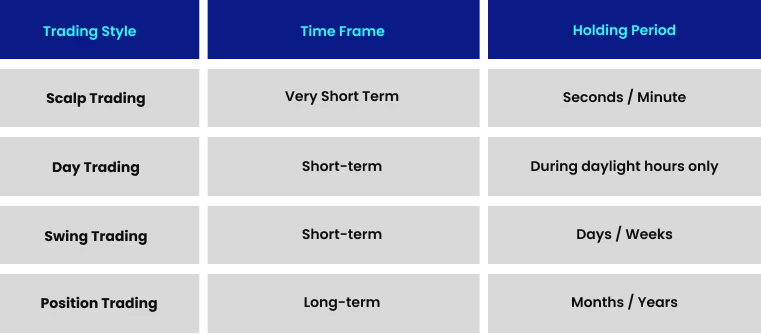
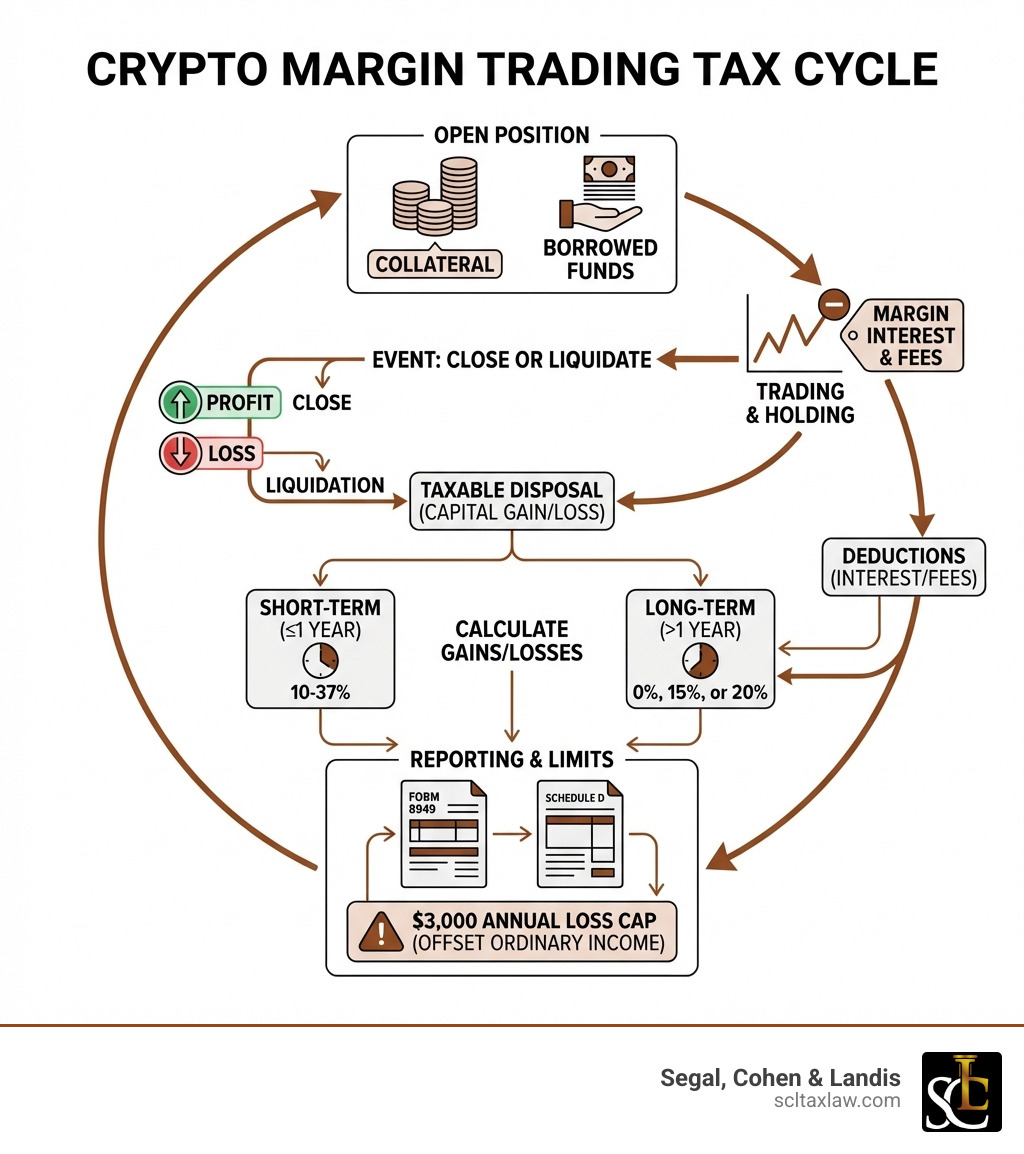
Start with official guidance to build a foundation. Fidelity and Morgan Stanley offer clear breakdowns of how wallets, funds, and futures are taxed. These resources explain the difference between short-term and long-term gains based on your holding period. Treat this initial learning phase as due diligence, not optional reading.
If you plan to trade frequently, consider the tax implications of your account structure. Transactions within a tax-advantaged account, like a Traditional or Roth IRA, generally avoid immediate capital gains tax. This strategy can significantly reduce your tax burden, but it comes with contribution limits and withdrawal restrictions. Weigh these tradeoffs carefully before shifting your trading volume.
Educational resources like AvaAcademy provide free, accessible courses for traders at all levels. Use these tools to learn the mechanics of reporting, not just trading. A solid education prevents costly mistakes when filing season arrives.
Work through the steps
High-volume DeFi trading creates a tax reporting nightmare if you don't track every swap. One missed bridge transaction can trigger an incorrect cost basis, leading to overpayment or an audit flag. Follow this ordered sequence to build a clean tax record before filing season.
Start by connecting your wallet addresses and DEX interfaces to a dedicated tax platform. Manual entry is impossible for active traders. Ensure your tool supports the specific chains you use, such as Ethereum, Arbitrum, or Solana. Importing raw data creates the single source of truth for your filings.
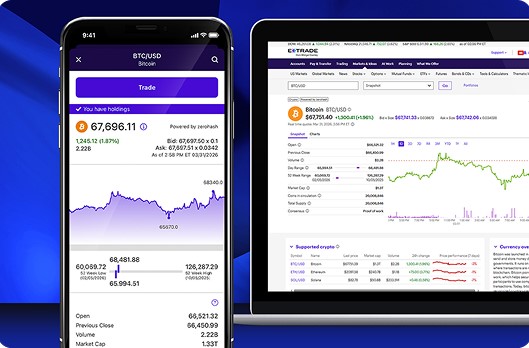
Not every transaction is a taxable sale. Your engine must distinguish between swaps, which trigger capital gains, and transfers between your own wallets, which do not. DeFi interactions like staking rewards or liquidity provision fees often have unique tax treatments. Misclassifying a bridge transfer as a sale is the most common error in crypto tax software.
Choose a cost basis method that aligns with your strategy and local regulations. First-In, First-Out (FIFO) is the standard for most jurisdictions, assuming your oldest tokens are sold first. Specific ID allows you to pick exactly which tokens are sold, which can be useful for tax-loss harvesting. Consistency is critical; switching methods mid-year complicates audits.
Cross-chain bridges often appear as "lost" transactions in standard trackers. You must manually verify these events to ensure they are marked as non-taxable transfers, not disposals. Missing a bridge transaction can artificially inflate your reported gains. Double-check any transaction where tokens disappear from one chain and appear on another.

Export your finalized report and review the Form 8949 line by line. Verify that the total proceeds and cost basis match your actual portfolio value. This document is what you submit to the IRS. If the numbers look inflated, your data import is likely misinterpreting DeFi interactions as sales.
-
Connect all wallet addresses and DEX interfaces
-
Verify bridge transactions are marked as non-taxable
-
Confirm cost basis method (FIFO or Specific ID)
-
Review Form 8949 for accuracy before filing
No comments yet. Be the first to share your thoughts!