Why active traders face unique tax risks
Crypto tax education for active traders isn't just about filing a form; it's about surviving an audit. The IRS treats cryptocurrency as property, meaning every swap, trade, and transfer is a taxable event. For casual investors who buy and hold, this is a manageable bookkeeping task. For active traders executing dozens of transactions daily, the complexity skyrockets. You aren't just managing a portfolio; you're managing a high-volume ledger of capital gains and losses.
The distinction between an investor and a trader is where most people get burned. An investor typically reports gains and losses on Schedule D. A trader, however, may qualify for trader tax status (TTS), which allows for different reporting methods, such as marking securities to market. This status is not automatic. It requires meeting specific criteria regarding the frequency, extent, and continuity of your trading activity. Without proper documentation and professional guidance, you risk misclassifying your income, leading to unexpected tax liabilities or denied deductions.
The stakes are high. Active traders face scrutiny over wash sale rules, which traditionally apply to securities but are increasingly relevant as crypto markets mature and regulatory clarity shifts. Additionally, the sheer volume of transactions can overwhelm standard tax software. You need a strategy that accounts for real-time market movements, precise cost-basis tracking, and the specific nuances of digital asset taxation.
Understanding these risks early allows you to build a tax-efficient workflow. Instead of reacting to tax season panic, you can implement systems that track every trade, optimize your gains through strategic loss-harvesting, and ensure compliance with evolving IRS guidelines. This guide will walk you through the specific strategies active traders need for the 2026 tax landscape.
Tracking every trade with professional tools
If you trade frequently, manual spreadsheets will break. The IRS treats every crypto swap, staking reward, and DeFi interaction as a taxable event. For an active trader, the volume of data quickly outpaces human capacity for accuracy. Relying on memory or simple logs invites audits, penalties, and costly errors. Professional tracking software automates the heavy lifting, connecting directly to your exchanges and wallets to pull transaction history in real time.
Using automated tools ensures you capture every taxable event, including complex interactions like liquidity pool deposits, NFT flips, and airdrops. These platforms calculate your cost basis using methods like FIFO (First-In, First-Out) or HIFO (Highest-In, First-Out), which can significantly impact your final tax liability. By syncing with major exchanges, you reduce the risk of missing data that could trigger a notice from the IRS. This level of detail is not just about compliance; it is about financial clarity.
The market moves fast, and your tax strategy must keep pace. Understanding how your trades interact with current tax rates is essential for effective planning.
Choosing the right software depends on your specific trading volume and the types of assets you hold. Below is a comparison of leading crypto tax platforms to help you decide which fits your workflow.
| Platform | Key Features | Supported Exchanges | Pricing Model |
|---|---|---|---|
| CoinTracker | Auto-import, IRS form generation, tax-loss harvesting alerts | 100+ exchanges and wallets | Free tier available; paid plans for high volume |
| Koinly | Portfolio tracking, tax reports, DeFi integration | 500+ exchanges, wallets, and protocols | Free for limited transactions; paid for unlimited |
| TokenTax | Real-time tracking, tax optimization, advanced DeFi support | Major exchanges and DeFi protocols | Subscription-based, varies by portfolio size |
| TurboTax | Integrated tax filing, basic crypto import | Limited direct exchange imports; manual upload | Included in premium tax filing packages |



As an Amazon Associate, we may earn from qualifying purchases.
Strategies to minimize tax liability legally
Active trading can generate significant tax headaches if you aren't planning ahead. The difference between a high tax bill and a manageable one often comes down to timing and strategy. By aligning your trades with IRS rules, you can legally reduce what you owe without crossing into illegal evasion.
The most effective way to lower your crypto tax burden is to hold assets for more than one year. This shifts your gains from short-term capital gains—taxed at your ordinary income rate—to long-term capital gains, which enjoy much lower rates of 0%, 15%, or 20% depending on your total income [[src-serp-8]].
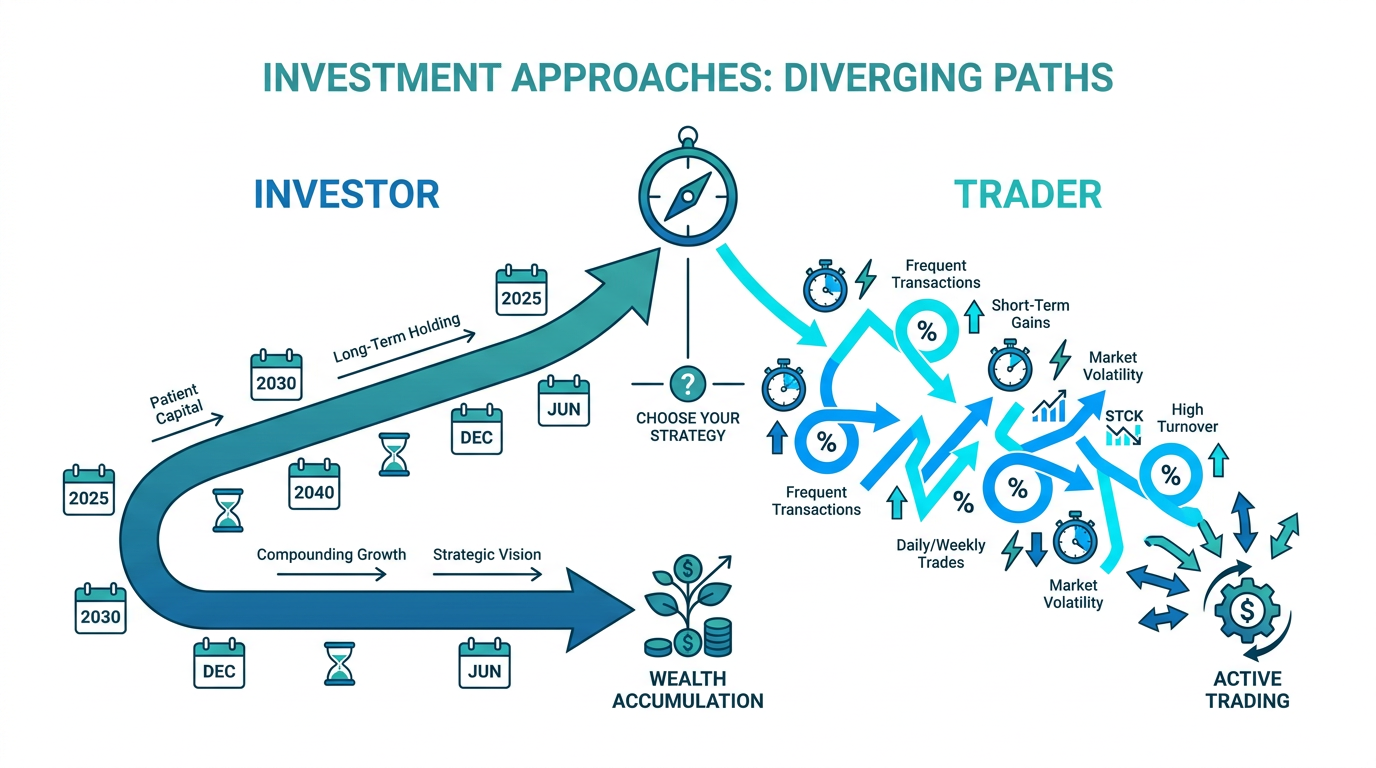
Wait at least one year and one day before selling an asset. This simple delay can drop your tax rate from up to 37% down to 15% or 20%. If you are in a lower income bracket, you might even pay 0% on those gains [[src-serp-8]].

Sell assets that have dropped in value to offset your profits. These "tax-loss harvesting" moves cancel out capital gains dollar-for-dollar. If your losses exceed your gains, you can deduct up to $3,000 of the remaining loss against your ordinary income each year [[src-serp-1]].
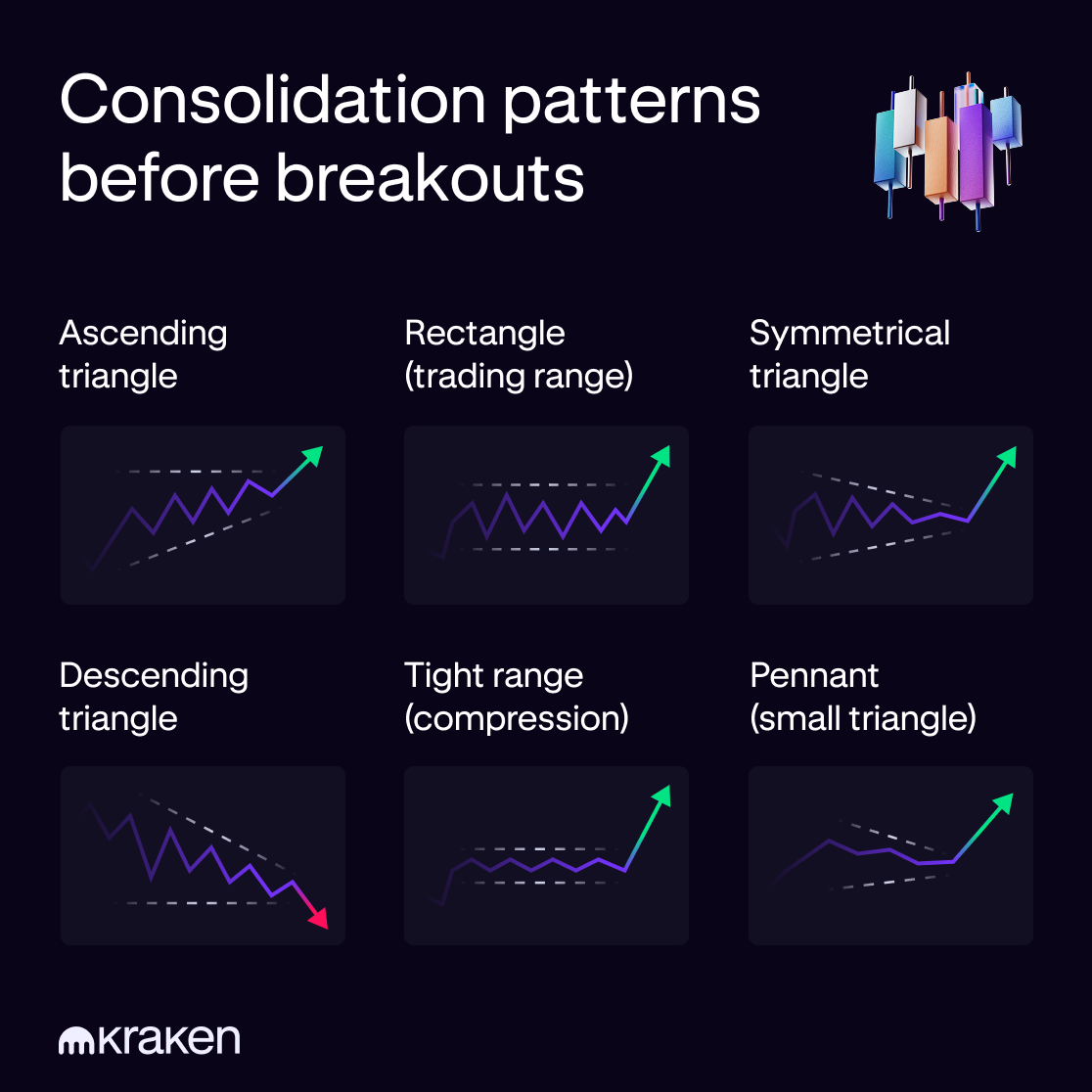
Keep detailed records of every trade, swap, and transfer. The IRS treats crypto as property, so every trade is a taxable event. Use a reliable tool or spreadsheet to log dates, values, and fees to prove your cost basis if audited [[src-serp-1]].
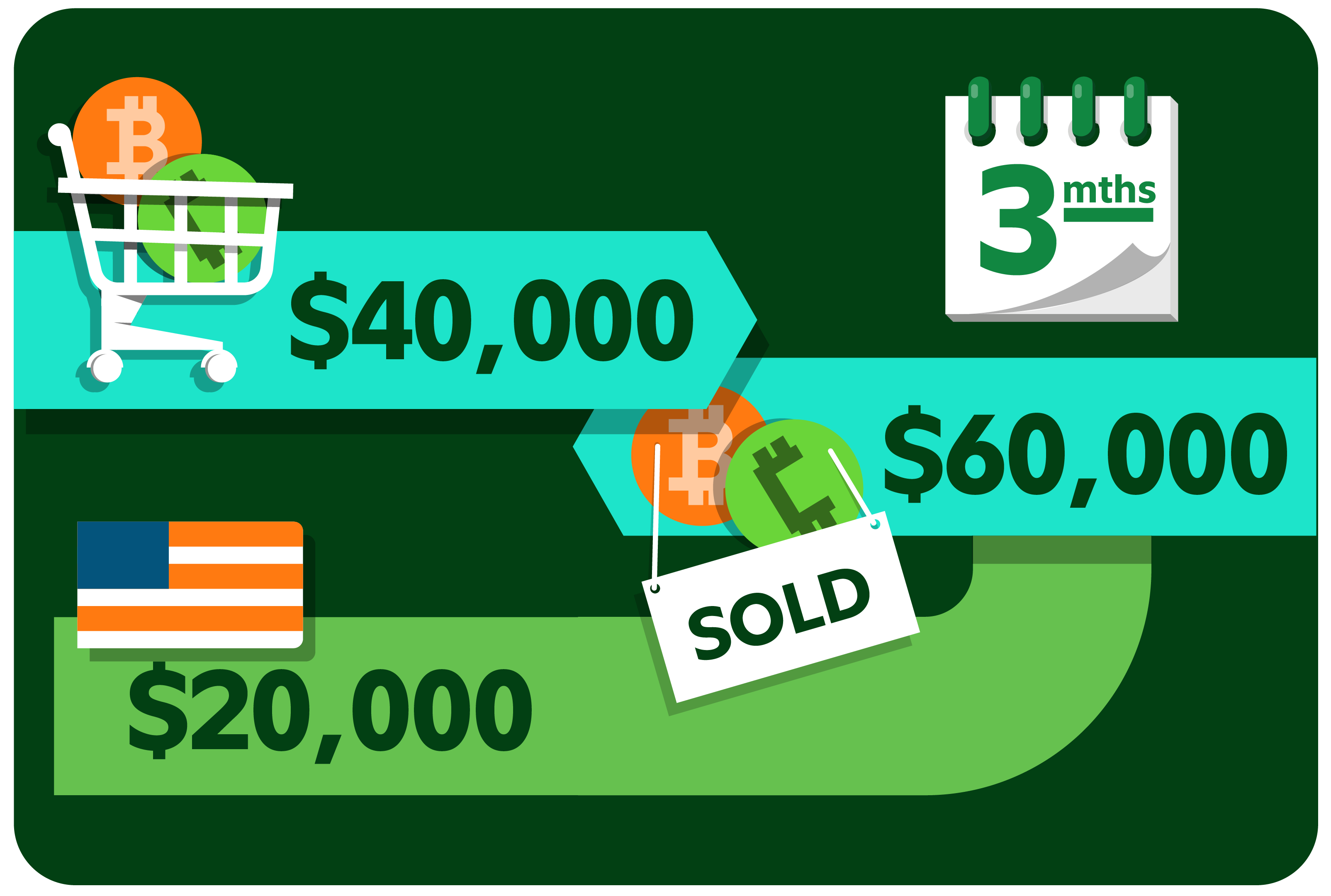
When selling, choose exactly which tokens you are selling. You can pick the ones with the highest cost basis to minimize gains, or the lowest to maximize losses. This gives you control over your tax outcome rather than leaving it to an automatic average-cost calculation [[src-serp-1]].
These strategies require discipline and careful record-keeping, but they are the standard way smart traders keep more of their profits. Always consult a tax professional to ensure your specific situation is handled correctly.
Common reporting mistakes to avoid
Active traders often face the harshest scrutiny because their transaction volume creates a massive data trail. Even a small error in cost basis or missed DeFi leg can trigger an audit or a significant penalty. The IRS treats virtual currency as property, meaning every swap, stake, and airdrop is a taxable event.
Ignoring DeFi and Staking Rewards
DeFi is not a tax-free zone. Claiming yield, staking rewards, or participating in liquidity pools generates ordinary income at the fair market value on the day you receive them. Many traders overlook these small amounts, assuming they are not "real" sales. However, failing to report these rewards is a common red flag that tax software and IRS data matching can easily catch.
Miscalculating Cost Basis
Your profit or loss depends entirely on how you calculate the cost basis. Using the wrong method—such as FIFO (First-In, First-Out) when you intended to use Specific Identification—can inflate your taxable gains. For active traders who frequently rebalance portfolios, mixing up lot selection is a frequent and costly error. Always document which specific tokens you sold to match your records.
Mixing Personal and Trading Wallets
Using a single wallet for both personal holdings and active trading makes reconciliation nearly impossible. If you receive airdrops, sell assets, and pay for coffee with the same address, separating business income from personal transactions becomes a nightmare. Use distinct wallets or rigorous tagging in your ledger to keep your trading activity clearly separated from casual holdings.
Technical Context
Understanding the market context helps explain why timing matters. A volatile market can turn a simple trade into a complex tax event if not recorded precisely.
Essential resources for ongoing education
Tax codes for digital assets shift faster than the market itself. Relying on outdated advice can lead to significant penalties, so you need a strategy for staying current. Start with the official guidance from the IRS, which provides clear definitions for traders versus investors and explains how to report crypto transactions correctly on Form 1040.
Beyond government publications, specialized educational platforms offer practical tools for active traders. TradeLog provides comprehensive guides and video tutorials focused specifically on trader tax issues, helping you manage complex reporting requirements like mark-to-market accounting. These resources bridge the gap between abstract tax law and your daily trading activity.
To keep your strategy grounded in real-time market conditions, monitor current asset performance. This context helps you understand how volatility impacts your tax liability and capital gains calculations.
For a deeper look at how Bitcoin’s price action correlates with trading volume and technical indicators, refer to the chart below. This live data helps you visualize the market environment in which your trades are executed.
Frequently asked questions about crypto taxes
Active trading introduces complexity that standard guides often miss. These answers address specific high-intent questions to help you manage compliance and strategy.
No comments yet. Be the first to share your thoughts!