Set up your trade tracking system
Missing data is the single biggest risk in crypto tax compliance. The IRS treats cryptocurrency as property, meaning every swap, trade, or transfer triggers a taxable event. If you cannot prove your cost basis, the agency may assume the entire transaction value is a gain. For active traders executing dozens of trades daily, manual spreadsheets fail quickly. You need a system that captures data automatically and accurately.
This foundational step in your Crypto Tax Education for Active Traders guide ensures you have the raw materials for compliance. Without complete records, you cannot claim losses, calculate gains, or defend your filings. The goal is to build a single source of truth before any tax software processes your data.
1. Connect exchange APIs for automatic data import
Most major exchanges support API connections that push trade history directly into tax software. This method is superior to downloading CSV files because it captures real-time data and reduces human error. When setting up your API keys, ensure you select "Read" permissions only. Never grant "Write" or "Trade" permissions, as this exposes your account to unauthorized transactions. This security measure is critical for protecting your assets while allowing the software to pull your history.
2. Import wallet and DeFi transaction history
Exchange data only tells part of the story. If you move assets to a self-custody wallet, use a decentralized exchange (DEX), or participate in staking, those transactions are still taxable events. You need to import this data separately. Most tax platforms allow you to connect wallet addresses or upload blockchain explorer exports. This step ensures that your DeFi yields, NFT swaps, and cross-chain transfers are included in your total tax liability calculation.
3. Reconcile and audit your transaction list
Once all data sources are connected, you must reconcile the totals. Compare the number of transactions in your tax software against your exchange statements and wallet histories. Look for duplicates, missing entries, or mismatched dates. This audit phase is where you catch errors before they become tax problems. If you spot a missing transaction, investigate whether it was a failed trade (which is not taxable) or a successful swap that was overlooked. Accuracy here prevents costly amendments later.
4. Select the correct cost basis accounting method
Your tax software must know which accounting method you use to calculate gains and losses. The two main options are First-In, First-Out (FIFO) and Specific Identification. FIFO assumes the oldest coins are sold first, which is the default for many jurisdictions. Specific Identification allows you to choose which exact coins are sold, which can be useful for tax optimization if you hold coins bought at different prices. Choose the method that aligns with your strategy and stick to it consistently across tax years.
5. Generate the preliminary tax report
With your data cleaned and your accounting method set, generate the initial tax report. Review the summary for any flagged transactions that require manual review, such as hard forks, airdrops, or staking rewards. These events often require special handling that automated systems might misinterpret. Once you are satisfied with the accuracy of the report, you are ready to move to the next phase of your Crypto Tax Education for Active Traders guide: calculating your actual tax liability.
Classify trades as short-term or long-term
Your holding period is the single most important factor in determining your crypto tax liability. The IRS treats crypto as property, meaning every sale, trade, or exchange triggers a taxable event. The clock starts ticking the moment you acquire the asset and stops the moment you dispose of it. For active traders, this distinction between short-term and long-term capital gains can mean the difference between a manageable tax bill and a significant financial penalty.
Short-term capital gains apply to assets held for one year or less. These gains are taxed at your ordinary income tax rate, which can be as high as 37% for top earners. Long-term capital gains apply to assets held for more than one year. These rates are significantly lower, typically 0%, 15%, or 20%, depending on your taxable income. This spread creates a powerful incentive for traders to hold positions longer, but it also requires meticulous record-keeping to prove the holding period.
Compare tax rates side-by-side
Understanding the exact impact of the holding period helps you plan your exit strategy. The table below compares the tax treatment of short-term versus long-term gains for the 2024 tax year, which generally carries over to 2026 unless legislation changes.
| Holding Period | Tax Rate | Impact on Active Traders |
|---|---|---|
| One year or less | Ordinary income tax rates | Taxed at your highest marginal bracket (up to 37%); no preferential treatment. |
| More than one year | 0%, 15%, or 20% | Significant savings for high-income traders; requires precise date tracking. |
Track dates precisely
The IRS requires you to determine the exact date you acquired and disposed of each asset. A trade executed on December 31st and one on January 1st of the following year can fall into different tax buckets. For active traders, this means you cannot rely on approximate dates. You must use a reliable crypto tax software or detailed ledger that records the timestamp of every transaction in UTC. This precision is critical for your Crypto Tax Education for Active Traders guide compliance strategy.
Failure to track these dates accurately can lead to the IRS treating all gains as short-term, even if you held an asset for years. This is a common audit trigger. Ensure your exchange records match your cost basis calculations. If you trade frequently, consider using a dedicated wallet for long-term holdings to make the holding period obvious and easy to document.
Apply tax-loss harvesting strategies
Crypto Tax Education for Active Traders works best as a clear sequence: define the constraint, compare the realistic options, test the tradeoff, and choose the path with the fewest hidden costs. That order keeps the advice usable instead of decorative. After each step, pause long enough to check whether the recommendation still fits the reader's actual situation. If it depends on perfect timing, unusual access, or a best-case budget, include a simpler fallback.
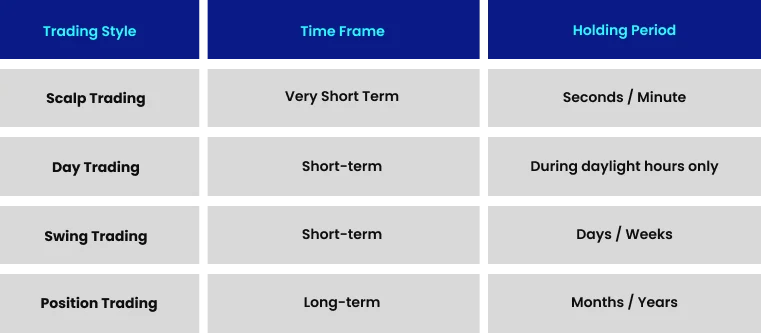
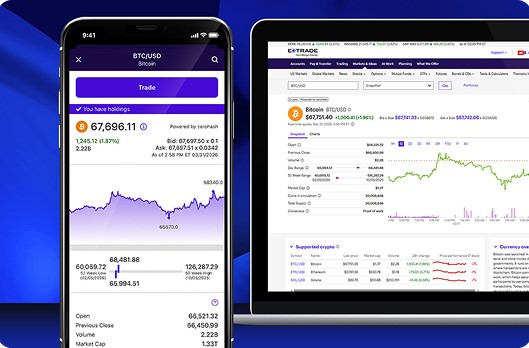
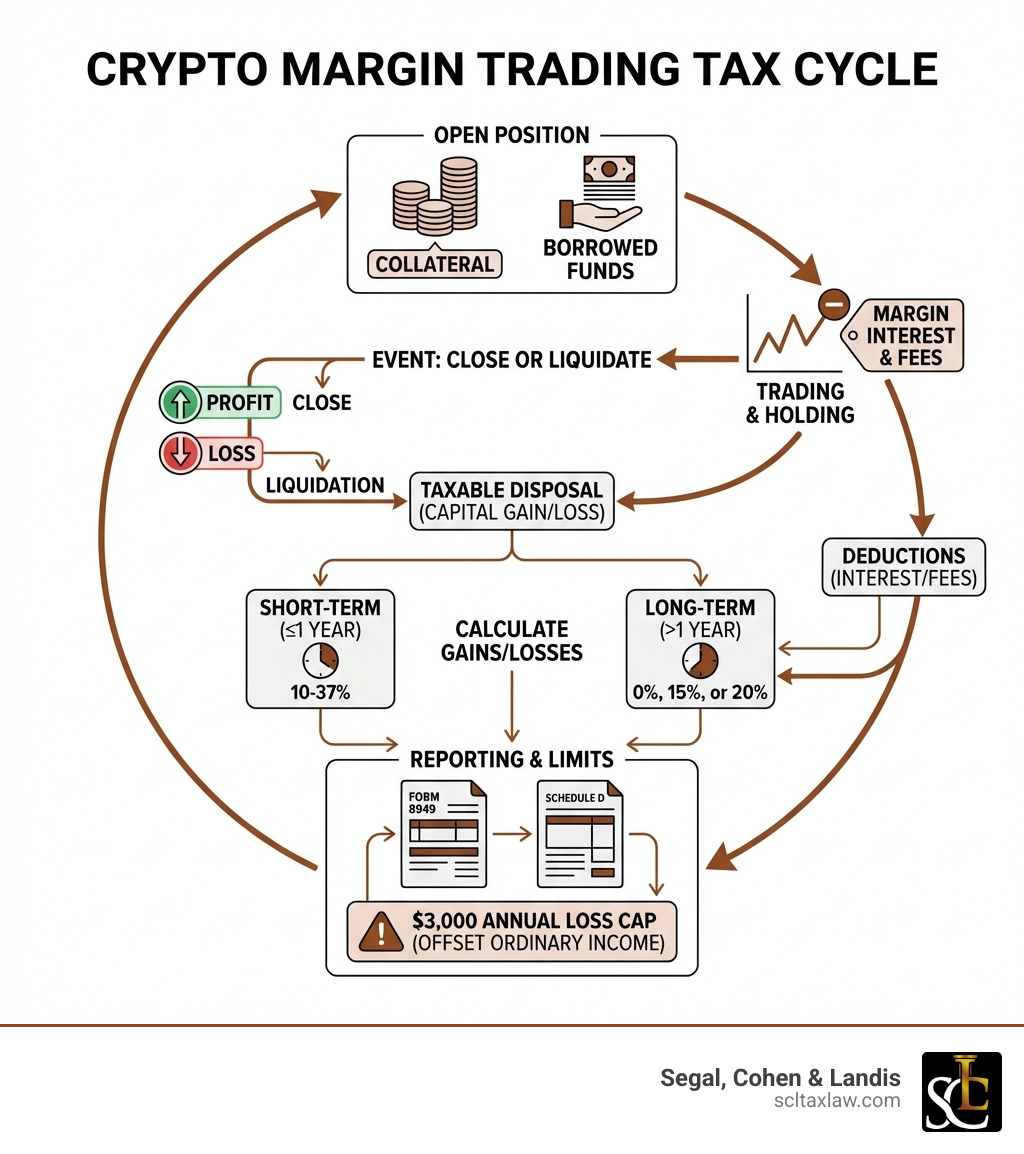
2026 Infrastructure Rule Changes
The regulatory landscape for crypto is shifting from broad proposals to specific, enforceable infrastructure rules. For active traders, this means the way you report transactions is changing under the hood. The primary focus for 2026 is closing the gap between on-chain activity and traditional financial reporting.
DeFi and Self-Custody Reporting
The IRS has moved beyond targeting centralized exchanges. New guidance clarifies that self-custody wallets and decentralized finance (DeFi) interactions are not tax-exempt. If you interact with a smart contract, swap tokens on a decentralized exchange, or provide liquidity, that is a taxable event. The infrastructure change here is the requirement for intermediaries and potentially wallet providers to report these transactions, similar to how brokers report stock trades. This makes your Crypto Tax Education for Active Traders guide essential for understanding what counts as reportable income.
Trader Status vs. Investor Status
The distinction between being an investor and a trader remains critical, but the infrastructure for proving it is tightening. The IRS Topic 429 outlines the requirements for trader-in-securities status, which allows for mark-to-market accounting. In 2026, the scrutiny on maintaining this status is higher. You must demonstrate that your activity is substantial, frequent, and continuous. The new infrastructure rules mean that automated transaction aggregators are expected to provide more granular data to support these claims, reducing the burden of manual reconciliation but increasing the need for accurate categorization from day one.
Real-Time Transaction Reporting
The move toward real-time reporting is accelerating. While full implementation is phased, the underlying infrastructure is being updated to support immediate transaction reporting. This affects how you track your cost basis and realize gains or losses. Active traders can no longer rely on end-of-year summaries alone. The new systems require more frequent reconciliation to ensure compliance with the evolving reporting standards.
Choose the right tax software tools
Finding the right software is the backbone of any Crypto Tax Education for Active Traders guide. You need a platform that can ingest thousands of transactions from multiple exchanges and DeFi protocols without breaking a sweat. Manual spreadsheet entry is a recipe for errors and audits, so automation is non-negotiable for high-volume traders.
Key Features to Verify
Before committing to a provider, ensure the tool supports your specific trading habits. Look for features like automated cost-basis calculation, support for complex DeFi interactions (such as liquidity pools and staking rewards), and seamless integration with major tax reporting formats like IRS Form 8949. TradeLog, for example, is built specifically for active traders, offering detailed tax education resources and software tailored to high-frequency trading scenarios [src-serp-3].
Recommended Tools for Active Traders
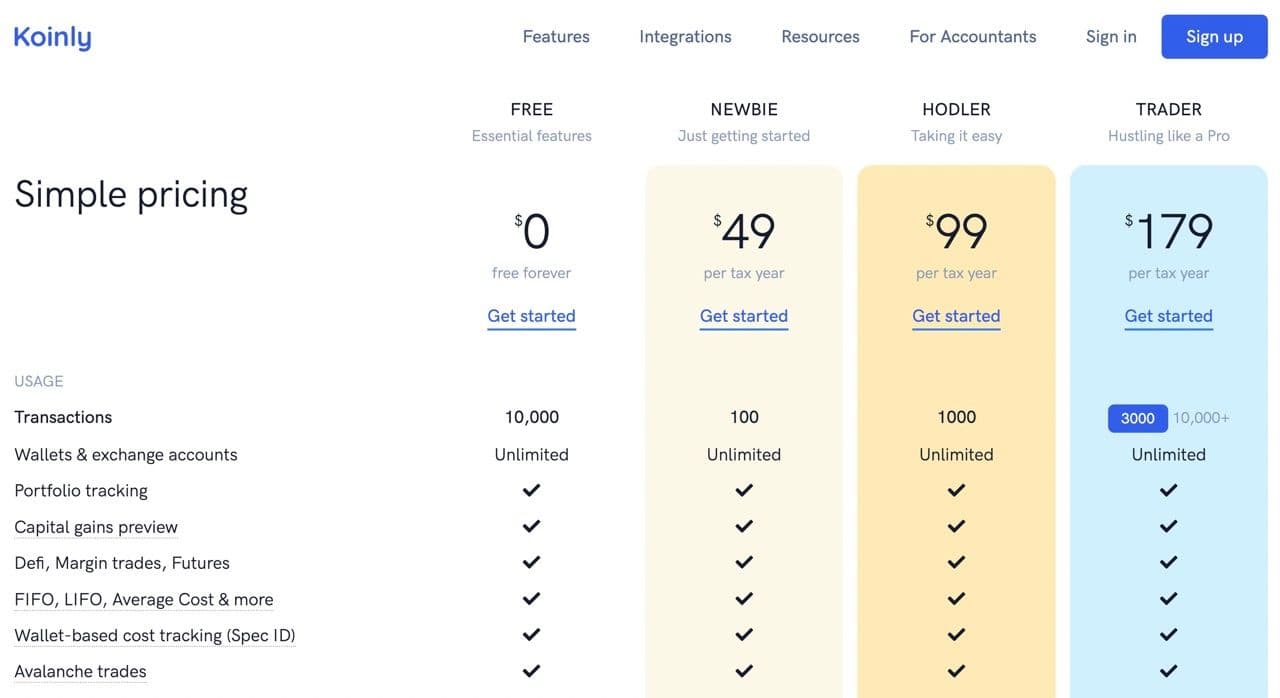
Selecting software that aligns with your workflow reduces stress during tax season. Here are three categories of tools that serve different needs:


As an Amazon Associate, we may earn from qualifying purchases.
Integration and Accuracy
Your chosen tool should connect directly to your exchange APIs for automatic data retrieval. This ensures that every trade, transfer, and reward is captured. CountDeFi emphasizes that accurate record-keeping is essential for active traders navigating both bull and bear markets [src-serp-4]. Without a reliable tool, you risk missing taxable events or miscalculating gains, leading to costly corrections later.

Prepare your final tax documentation
Compiling your data is where most active traders hit a wall. You have months of transaction history, but turning that into a compliant return requires a specific sequence. This Crypto Tax Education for Active Traders guide focuses on the final steps to ensure your numbers hold up under scrutiny.

Start by pulling every transaction from every exchange and wallet. Use a CSV export or a tax software integration to create a single ledger. Ensure you capture the exact date, time, and fair market value in USD at the moment of each trade. Missing a single DeFi interaction or airdrop can trigger an audit.
Verify your cost basis calculation method (FIFO, LIFO, or Specific ID) matches your strategy. The IRS requires consistent application of these methods. If you switched methods mid-year, you must file Form 3115 to change your accounting method. Inconsistent basis reporting is a common source of overpayment or underpayment errors.

Most traders report crypto on Schedule D and Form 8949. However, if you qualify as a "trader in securities" under IRS Topic No. 429, you may elect Mark-to-Market (MTM) accounting. This election allows you to report trading activity on Schedule C instead, avoiding the wash-sale rule restrictions that apply to investors. This status requires meeting specific volume and frequency thresholds.

Before filing, check for duplicate entries from multiple exchange exports. Ensure all staking rewards and mining income are reported as ordinary income, not capital gains. Double-check that your crypto-to-crypto trades are treated as taxable events, as many traders mistakenly believe they are not. A single missed trade can compound into a significant discrepancy.

Submit your return by the standard April deadline, or request an extension using Form 4868. Remember, an extension to file is not an extension to pay. If you owe taxes, estimated payments should have been made quarterly to avoid underpayment penalties. Keep your digital records for at least three to seven years depending on your state’s requirements.
Frequently asked: what to check next
Active traders often face specific compliance hurdles that general guides miss. This Crypto Tax Education for Active Traders guide addresses the most common high-intent questions to help you stay compliant without guessing.
No comments yet. Be the first to share your thoughts!