Why active traders face unique tax complexity
If you trade crypto with any significant frequency, the standard "buy and hold" tax framework does not apply to you. The IRS treats cryptocurrency as property, meaning every trade, swap, or transfer is a taxable event. For casual investors who buy once and hold, the paperwork is manageable. For active traders executing dozens or hundreds of trades a day, the administrative burden becomes a distinct operational risk.
The difference between a retail investor and an active trader is not just volume; it is classification. High-frequency trading activity can trigger "trader" status, which allows for different tax treatments but requires strict adherence to specific reporting standards. Misclassifying your activity can lead to audits, penalties, or missed deductions. The IRS does not distinguish between a professional algorithm and a human clicking "buy" repeatedly; both generate the same complex data trails.
This complexity demands specialized infrastructure. You cannot rely on generic wallet trackers or manual spreadsheets to capture the granular data required for high-volume trading. Every swap on a decentralized exchange, every liquidity provision, and every staking reward creates a taxable event that must be tracked against your cost basis. Without automated, real-time reconciliation tools, the likelihood of reporting errors approaches certainty.
The stakes are financial and legal. In 2026, as regulatory scrutiny intensifies, the margin for error shrinks. Active traders need systems that can handle the volume of data, not just the final profit figure. The infrastructure you choose today determines whether you can defend your tax positions tomorrow.
The 1099-DA reporting rule explained
The IRS is shifting the burden of crypto tax compliance from you to your trading platforms. Under the new Form 1099-DA requirement, exchanges and brokers will report your transaction details directly to the IRS. This change marks a fundamental shift in how active traders manage their tax data, moving away from self-reported logs to broker-verified records.
For high-volume traders, this means the era of relying on personal spreadsheets or third-party aggregators for primary data is ending. The IRS will receive a standardized report of your crypto activity, similar to how it receives Form 1099-B for traditional securities. This alignment simplifies the data landscape but increases the scrutiny on discrepancies between your reported income and what the IRS already knows.
Why this matters for active traders
Active traders often execute hundreds or thousands of trades annually. Manually tracking each transaction for cost basis, holding period, and gains or losses is time-intensive and prone to error. With 1099-DA, the data comes pre-packaged from your broker. While this reduces the risk of forgetting a trade, it also means you must reconcile your internal records with the broker's report to ensure accuracy.
The IRS has emphasized that this rule is part of a broader effort to close the "information gap" in digital asset reporting. By receiving direct data from intermediaries, the IRS can more easily identify unreported gains. For traders, this underscores the importance of using reliable tax software that can import and reconcile 1099-DA data efficiently.

Preparing for the new data landscape
To stay compliant, active traders should audit their current tax preparation workflows. Start by identifying which exchanges will issue 1099-DA forms and ensure you have access to their transaction histories. Use tax software that supports direct import of broker reports to minimize manual entry.
The goal is not to avoid reporting but to ensure your tax return matches the data the IRS receives. Discrepancies can trigger audits or notices. By aligning your internal records with the new broker-reported standards, you can approach the 2026 tax season with greater confidence and accuracy.
Essential tools for high-frequency reporting
Active traders face a unique challenge: the volume of transactions. Standard portfolio trackers often choke on thousands of trades per day, leading to missed cost-basis calculations or incorrect short-term capital gains reporting. To stay compliant with IRS guidelines, you need infrastructure built for scale, not just convenience.
The right software stack separates signal from noise. It connects directly to your exchange APIs, reconciles internal transfers, and flags taxable events in real time. For hardware security, you need devices that support the specific tokens you trade without requiring complex workarounds.

Top tax software for high-volume traders
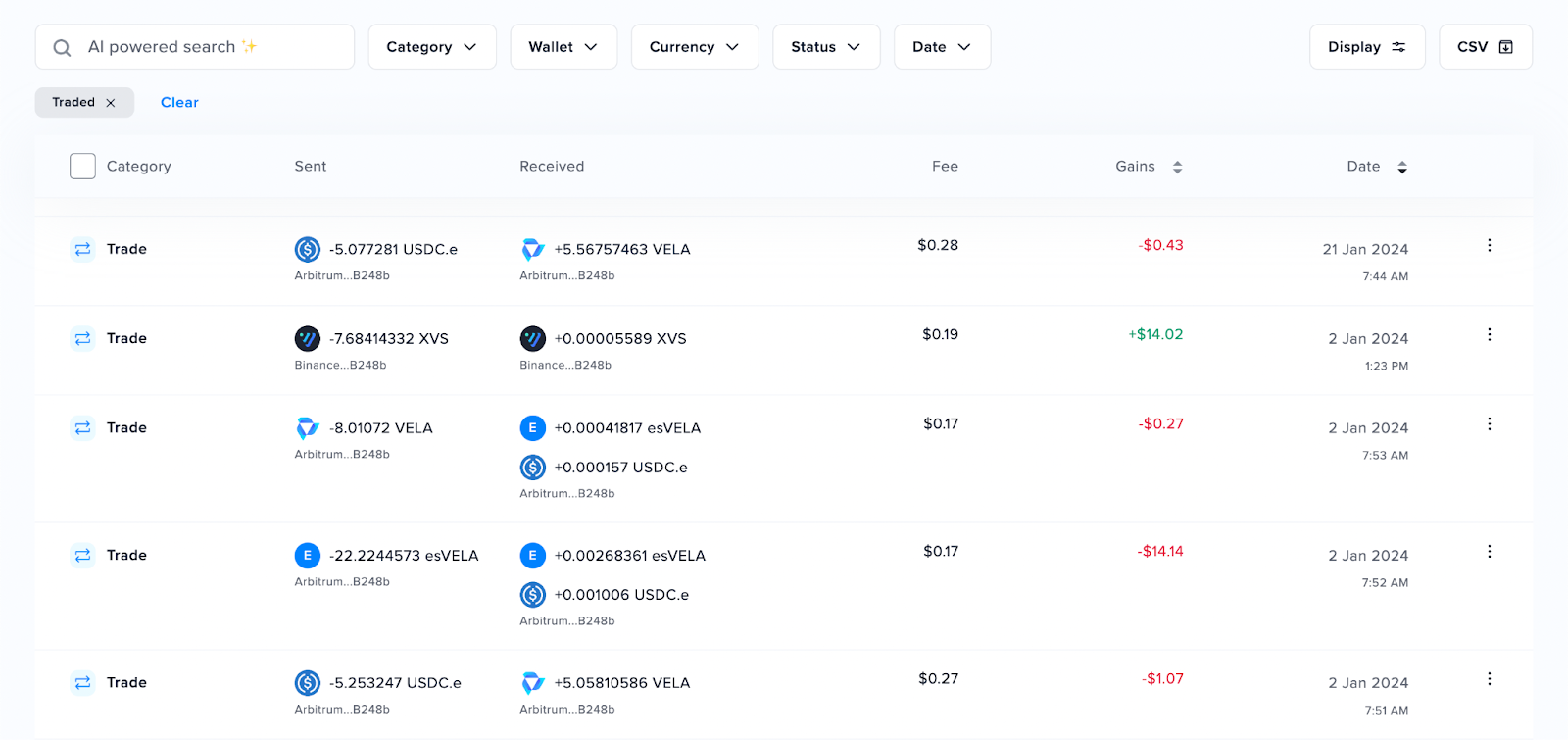
Koinly and CoinTracker are the current leaders for traders processing hundreds of transactions monthly. Both offer API integrations with major exchanges like Coinbase, Binance, and Kraken. They handle complex DeFi interactions and staking rewards, which are frequent pain points for active participants.
When choosing a plan, look for transaction limits that exceed your historical volume. Active traders often need "Pro" or "Enterprise" tiers to avoid manual CSV uploads, which are prone to human error. These platforms also provide direct export formats for TurboTax and other tax preparation software, streamlining the final filing process.
Hardware wallets for secure custody
Ledger and Trezor remain the standard for cold storage. For active traders, the Ledger Nano X is often preferred due to its Bluetooth connectivity, allowing easier management of multiple assets without constantly plugging in a USB device. Trezor Model T offers a touchscreen interface that some users find more intuitive for verifying transaction details on-device.
Ensure your hardware wallet supports the specific altcoins you trade. Not all devices support every ERC-20 token or Solana-based asset. Verify compatibility before purchasing to avoid the need for third-party software bridges, which can introduce security vulnerabilities.

- Unlimited transaction history
- DeFi tracking
- Real-time notifications


As an Amazon Associate, we may earn from qualifying purchases.
| Feature | Koinly | CoinTracker | Ledger Nano X | Trezor Model T |
|---|---|---|---|---|
| Transaction Limit | Unlimited (Pro+) | Unlimited (Advanced+) | N/A | N/A |
| DeFi Tracking | Yes | Yes | No | No |
| Connectivity | API/CSV | API/CSV | Bluetooth/USB | USB |
| Best For | High-volume traders | High-volume traders | Multi-asset custody | Security-focused users |
Build a compliant data infrastructure
Active trading generates data volumes that manual tracking cannot handle. Missing a single swap on a decentralized exchange or a transfer between wallets creates gaps in your cost basis calculations. The IRS treats cryptocurrency as property, meaning every transaction is a taxable event. If your data is incomplete, your tax liability will be inaccurate, and audits become likely.
Building a robust infrastructure requires aggregating data from every source where you trade or hold assets. This includes centralized exchanges, decentralized protocols, and personal non-custodial wallets. The goal is to create a single, unified ledger before you begin calculating gains or losses.
Most reputable tax software supports direct API connections to major exchanges like Coinbase, Binance, and Kraken. Use read-only API keys to pull transaction histories automatically. This eliminates manual CSV uploads and reduces the risk of human error. Ensure the connection includes all trading pairs and staking rewards.

Exchanges do not track assets held in personal wallets like MetaMask, Ledger, or Trezor. You must export transaction hashes or CSV files from these wallets. Import these into your aggregation tool to capture DeFi swaps, airdrops, and peer-to-peer transfers. This step is critical for active traders who frequently move assets between cold storage and active trading pairs.
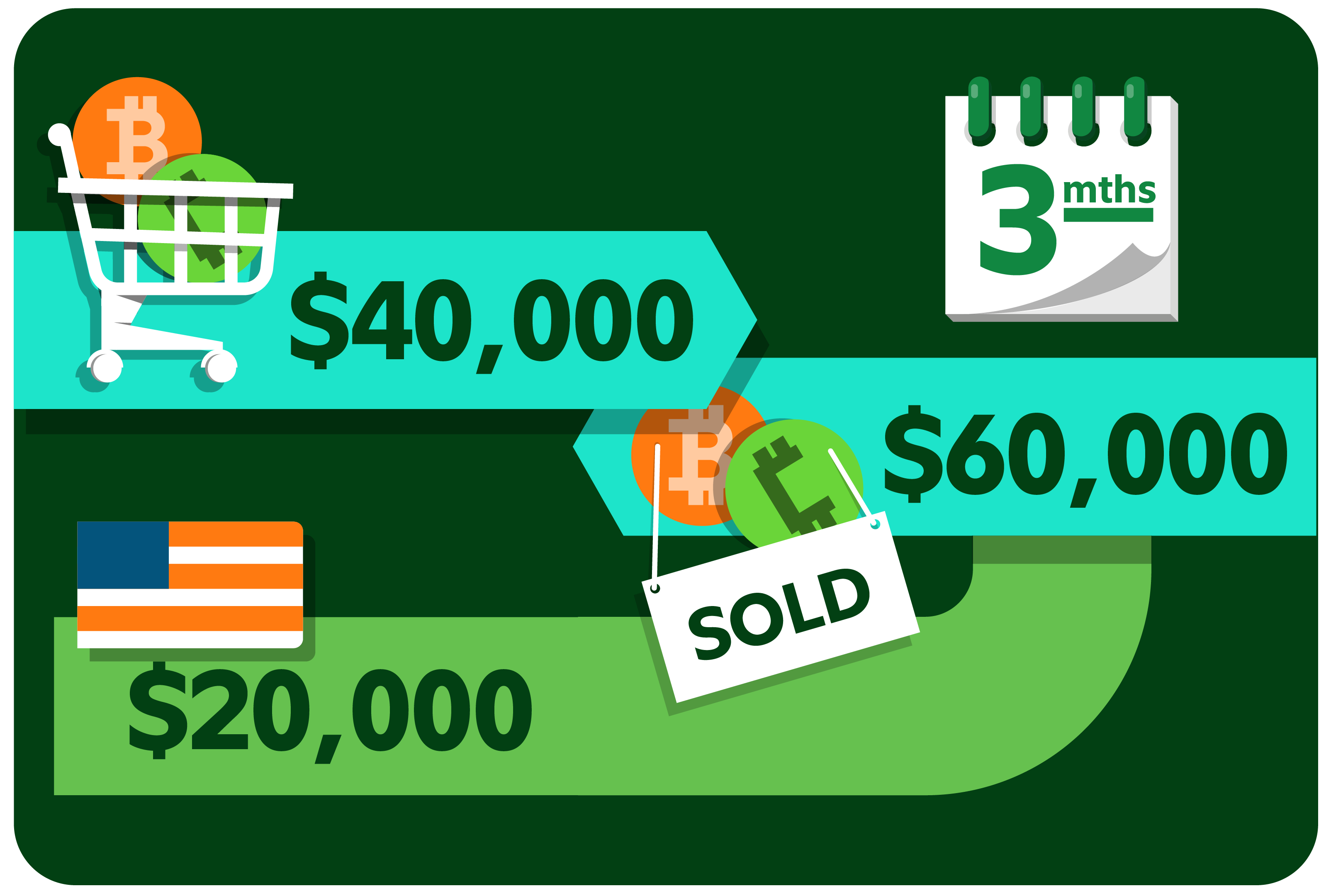
Once all data sources are imported, run a reconciliation process. Look for duplicate entries, missing timestamps, or mismatched asset symbols. The IRS requires precise dates and fair market values at the time of each transaction. Correct any discrepancies before proceeding to cost basis calculation. This clean data forms the foundation of your compliant tax report.
A well-structured data infrastructure ensures you never miss a taxable event. By automating the aggregation process, you reduce the administrative burden and improve the accuracy of your filings. This approach aligns with IRS guidelines for reporting cryptocurrency transactions, providing a clear audit trail for every trade.
Common questions about crypto tax compliance
Active traders face a unique set of tax questions that go beyond simple buy-and-hold scenarios. Below are direct answers to the most frequent queries, based on current IRS guidance and industry standards.
No comments yet. Be the first to share your thoughts!