Why active traders need a tax strategy
Most crypto tax guides assume you are a long-term investor. They talk about holding for a year to qualify for lower capital gains rates or using tax-loss harvesting to offset future profits. For active traders, those strategies are often irrelevant or even harmful. If you are executing dozens of trades a week, your tax reality is fundamentally different from someone who buys Bitcoin and holds it for five years.
The IRS treats cryptocurrency as property, not currency. This means every trade, swap, or transfer can trigger a taxable event. For a high-frequency trader, this creates a massive reporting burden. Without a dedicated crypto tax education for active traders strategy, you risk misclassifying income, missing deductions, or facing audits due to mismatched exchange reports. The stakes are high because the penalties for underreporting crypto income have increased significantly in recent years.
Note: Active traders may qualify for "Trader Tax Status" (TTS). This special status allows you to deduct business expenses and potentially avoid wash sale rules that apply to investors. However, the IRS has strict criteria for qualifying, including trading frequency, holding periods, and the intent to generate income from short-term swings rather than long-term appreciation.
Relying on generic advice can cost you thousands. A specialized approach helps you distinguish between capital gains and ordinary income, optimize your record-keeping, and structure your trades to minimize liability legally. It is not just about filing forms; it is about understanding how your trading volume impacts your bottom line.
Key tax strategies for high-frequency trading
High-frequency trading in crypto moves faster than traditional markets, and that speed demands a sharper tax strategy. If you are executing dozens of trades a day, treating every transaction as a simple capital event can leave money on the table. You need to look at the bigger picture: how you classify your activity and how you manage your losses.
Tax-loss harvesting and the wash sale nuance
Tax-loss harvesting is your primary tool for offsetting gains. When you sell an asset at a loss, you can use that loss to cancel out taxable gains from other trades. This works well for crypto because the market is volatile and losing trades are frequent.
However, there is a major trap for crypto traders: the wash sale rule. Under current IRS guidance, the wash sale rule (IRC §1091) applies to stocks and securities, not to crypto as property. This means you generally can buy back the same coin immediately after selling it at a loss and still claim the deduction. It is a significant advantage that stock traders do not have. But this area is fluid. The IRS has signaled that it may eventually apply these rules to digital assets, so keep your records clean and be ready for regulatory changes.
Trader Tax Status (TTS) implications
For the most active traders, Trader Tax Status (TTS) can be a game-changer. If you meet specific criteria—such as trading frequently, seeking short-term profits from daily market movements, and spending substantial time on your activity—you may qualify. TTS allows you to deduct business expenses like software, internet, and home office costs, which regular investors cannot do. It also lets you elect mark-to-market accounting, which simplifies reporting by treating all positions as sold at year-end. This eliminates the need to track specific lot costs for every single trade, a huge relief for high-volume traders.
To qualify, you must document your intent and activity. Keep logs of your trading hours, strategies, and business-related expenses. The bar is high, and the IRS scrutinizes these claims closely. If you are not sure if you qualify, consult a tax professional who specializes in trader taxes. Intuit ProConnect outlines the specific advantages of TTS for clients.

Planning for liquidity
Finally, remember that taxes are due on realized gains. In crypto, this happens every time you swap tokens, sell for fiat, or even trade one coin for another on most exchanges. Set aside 25-30% of every realized gain to cover your tax bill. CountDeFi recommends this buffer for active Bitcoin traders to avoid cash flow crises during tax season.
TechnicalChart
Essential Infrastructure and Tracking Tools
Managing high-frequency crypto trades requires more than just sharp market intuition; it demands a robust digital infrastructure. For active traders, the difference between a manageable tax season and a costly audit often comes down to the tools used to track transactions in real-time. You cannot manually reconcile thousands of swaps across multiple exchanges without automated, API-driven solutions.
Comparing Tax Software for Active Traders
Not all crypto tax software is built for the volume and complexity of day trading. When selecting a platform, prioritize features that handle high transaction counts, support for niche DeFi protocols, and integration with major exchanges. The table below compares leading options based on capabilities relevant to high-volume strategies.
| Software | Transaction Limit | API Support | Cost Model |
|---|---|---|---|
| Koinly | Unlimited | Yes (Major Exchanges) | Free (Basic) / Paid (Pro) |
| CoinTracker | Unlimited | Yes (Major Exchanges) | Free (Basic) / Paid (Pro) |
| TokenTax | Unlimited | Yes (Major Exchanges + DeFi) | Paid (Per Tax Year) |
| CryptoTrader.Tax | Unlimited | Yes (Major Exchanges) | Paid (Per Tax Year) |
Hardware and Physical Security
While software handles the data, hardware ensures the security of your assets and the integrity of your trading keys. For traders executing high-value strategies, keeping private keys offline is non-negotiable. A hardware wallet provides the physical security layer that software alone cannot offer, protecting against remote hacks and phishing attempts.


As an Amazon Associate, we may earn from qualifying purchases.
Market Context
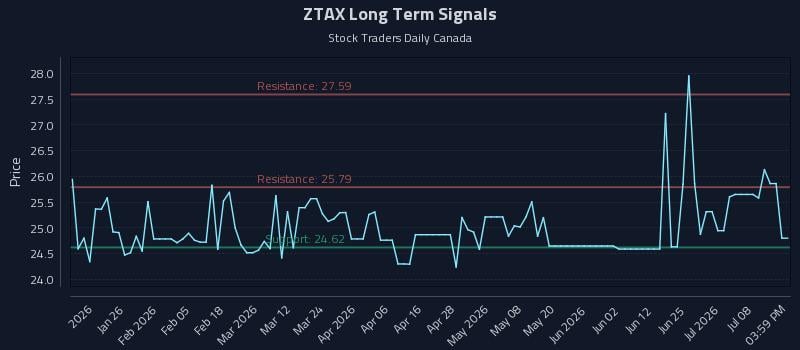
Keeping an eye on the broader market helps contextualize tax implications, especially during high volatility periods. Understanding current asset performance can inform decisions about harvest strategies and portfolio rebalancing.
Building a compliant reporting workflow
Active trading turns crypto tax season into a logistical nightmare if you wait until April to start. The IRS treats crypto as property, meaning every swap, trade, or even staking reward is a taxable event. For high-frequency traders, the volume of transactions can easily exceed what standard tax software can handle without manual intervention.
To avoid audits, you need a system that captures data in real-time, not a spreadsheet you patch together at year-end. This workflow focuses on organization, reconciliation, and strategic timing to manage your tax liability legally and accurately.
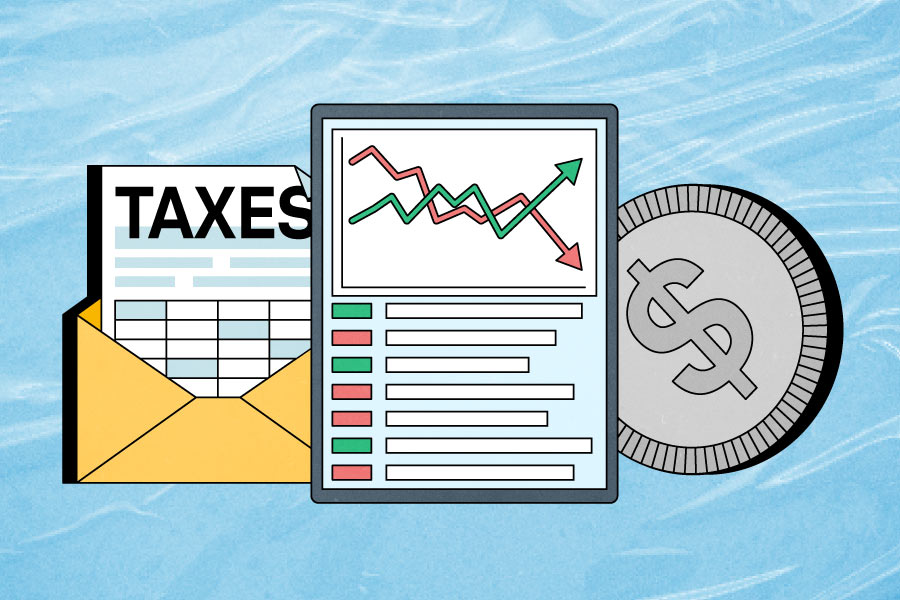
Do not rely on memory or individual exchange apps. Use a dedicated crypto tax software that integrates directly with your wallets and exchanges via API. These tools pull every transaction—including swaps, transfers, and DeFi interactions—and calculate your cost basis automatically. Consistency here is your first line of defense against IRS discrepancies.
Software isn’t perfect. You must manually review flagged transactions to ensure accuracy. Cross-reference your realized gains and losses with your exchange’s official tax reports. If you moved funds between wallets, ensure those are marked as non-taxable transfers. This reconciliation step prevents double-taxing events or missing income from staking and airdrops.
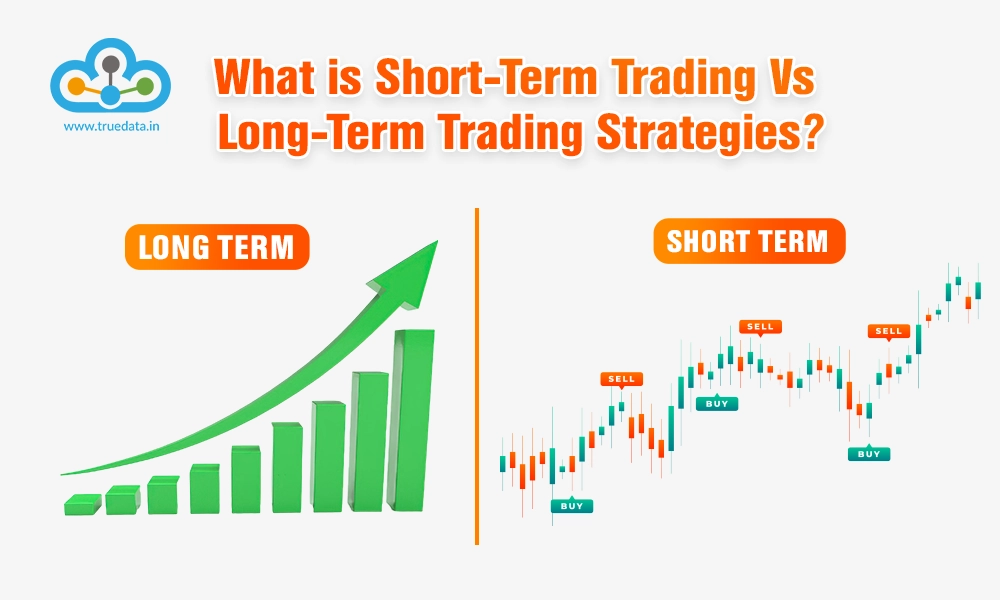
As Fidelity notes, holding investments for more than a year can lower your tax rate, but you don’t have to wait that long to manage losses. If you have positions down significantly, consider selling them to offset capital gains from your winning trades. This strategy, known as tax-loss harvesting, can reduce your overall tax bill while keeping your capital deployed in the market.
While the IRS currently does not explicitly apply the wash sale rule to crypto, this is a major area of legislative change. If you sell a token at a loss and buy it back within 30 days, you might be able to claim the loss now. However, if the law changes to include crypto, these losses could be disallowed. Stay informed on IRC §1091 updates and adjust your trading cadence accordingly to avoid surprises.

Crypto trading income is considered self-employment or capital gains income, both of which require quarterly estimated tax payments if you owe more than $1,000 in taxes for the year. Use a calculator to estimate your liability after each major trading period. Paying quarterly avoids the hefty underpayment penalties the IRS imposes on those who wait until filing season.
Common questions about crypto taxes
Navigating the intersection of active trading and tax code requires precision. Misunderstanding how the IRS treats high-frequency activity can lead to significant liabilities or missed deductions. Below are the most frequent questions regarding crypto tax education for active traders strategy.
Understanding these nuances is the difference between compliant trading and unexpected audits. Always consult a qualified tax professional to apply these strategies to your specific situation.
No comments yet. Be the first to share your thoughts!