Crypto tax education for active traders
Active traders face a unique set of tax obligations that differ significantly from long-term investors. While the IRS treats all cryptocurrency as property, the frequency and nature of your transactions determine how you report gains and losses. Understanding these distinctions is the first step in building a compliant tax strategy.
Taxable events and reporting
Every time you trade, sell, or exchange cryptocurrency, it triggers a taxable event. This includes swapping Bitcoin for Ethereum, selling crypto for fiat currency, or using crypto to purchase goods. You must track the cost basis—the original value of the asset—at the time of acquisition to calculate your capital gains or losses accurately.
Short-term vs. long-term gains
The holding period of your assets dictates the tax rate applied to your profits. If you hold cryptocurrency for one year or less before selling, any profit is considered a short-term capital gain and is taxed at your ordinary income tax rate. Holding for more than a year qualifies for long-term capital gains rates, which are typically lower. Active traders often fall into the short-term category, making tax planning essential.
Record-keeping requirements
Maintaining detailed records of every transaction is non-negotiable for active traders. This includes dates, amounts, fair market values at the time of transaction, and the purpose of each trade. Many traders use specialized software to automate this process, ensuring accuracy and reducing the risk of errors during tax filing. Without precise records, you may face audits or be unable to claim valid losses.
Cost basis methods
When selling cryptocurrency, you must choose a cost basis method to determine which units are being sold. Common methods include First-In, First-Out (FIFO), Last-In, First-Out (LIFO), and Specific Identification. FIFO is the default method for many taxpayers, while Specific Identification allows you to choose which specific tokens are sold, potentially offering tax optimization opportunities if you track individual units carefully.
Crypto tax education: active choices that change the plan
Active trading with cryptocurrency creates a complex tax landscape where strategy choices directly impact your bottom line. Unlike passive investors who hold assets for years, active traders must navigate frequent reporting requirements, varying tax rates, and specific deduction rules. Understanding these tradeoffs is essential for maintaining compliance while maximizing after-tax returns.
The core decision often revolves around how you classify your trading activity for tax purposes. This classification determines whether you are treated as an investor subject to capital gains or a business operator eligible for ordinary income treatment and expense deductions. Each path offers distinct advantages and liabilities that require careful evaluation against your trading volume and complexity.
To clarify these differences, compare the primary tax treatments available to active crypto participants below.
| Feature | Capital Gains (Investor) | Trader Tax Status (Business) |
|---|---|---|
| Tax Rate | Long-term 0-20% (held >1 year); Short-term ordinary income rates | Ordinary income rates on all profits |
| Loss Deductions | Deductible only against gains; up to $3,000 against ordinary income annually | Fully deductible against other ordinary income |
| Expense Deductions | Personal investment expenses generally not deductible under current law | Deductible business expenses (software, data feeds, home office) |
| Mark-to-Market | Available; allows unrealized gains/losses to be recognized at year-end | |
| Wash Sale Rule | Applies to securities; IRS has not explicitly extended to crypto (but evolving) | Explicitly waived for traders using mark-to-market |
Choosing between these paths involves more than just looking at tax rates. Trader Tax Status (TTS) requires meeting strict IRS criteria, including trading with sufficient frequency, continuity, and pursuit of profit from short-term market movements. It is not a designation you can simply elect; it must be earned through your actual trading behavior.
For many active traders, the ability to deduct business expenses and bypass wash sale rules makes TTS highly attractive, despite the higher ordinary income tax rates. However, the administrative burden is significant. You must maintain meticulous records, separate business entities, and file specific elections by the tax deadline. Missed deadlines can result in the loss of these benefits for the entire year.
Before finalizing your strategy, consider the long-term implications of your trading frequency. High-frequency trading may trigger TTS eligibility, but it also increases the risk of tax errors and audits. Conversely, treating all activity as capital gains simplifies reporting but may leave money on the table through non-deductible expenses and limited loss offsets.
Ultimately, the best approach depends on your individual financial situation and trading style. Consult with a qualified tax professional who specializes in cryptocurrency to ensure your classification aligns with both your activities and IRS regulations. Proper planning now can prevent costly penalties and optimize your tax liability in subsequent years.
Build your active trading tax framework
Active crypto trading requires a system that captures every transaction. Without automated tools, manual reconciliation becomes impossible as trade volume increases. This decision framework helps you select infrastructure that aligns with your specific trading style.
Your reporting method dictates how the IRS views your gains. Most active traders default to FIFO (First-In, First-Out), which sells the oldest coins first. However, Specific Identification allows you to choose which tokens to sell, potentially minimizing tax liability by matching high-cost basis coins against profits. Verify your broker supports this feature before committing to high-frequency trades.

Manual tracking fails when you trade across multiple exchanges. Use specialized crypto tax software that connects directly to your exchange APIs. These tools automatically pull transaction history, calculate cost basis, and generate IRS-ready forms like Form 8949. Ensure the software supports all your trading pairs and stablecoin conversions.
Even with software, you must maintain a clear audit trail. Keep records of all wallet addresses, transaction hashes, and exchange login details. If you transfer crypto between your own wallets, document the dates and values. These records are essential if the IRS questions your cost basis calculations during an audit.

Short-term capital gains are taxed as ordinary income, which can reach 37% for high earners. Long-term gains (held over one year) are taxed at 0%, 15%, or 20%. If your trading strategy allows, consider holding positions longer to qualify for lower rates. Use a tax calculator to model how different holding periods affect your final tax bill.

Federal taxes are only part of the equation. Many states also tax crypto gains, and some have no income tax at all. Check your state’s specific rules regarding digital assets. If you live in a high-tax state, consider whether relocating or adjusting your trading residency could provide significant savings.



As an Amazon Associate, we may earn from qualifying purchases.
Common Crypto Tax Mistakes to Avoid
Active traders often confuse tax efficiency with tax evasion. While strategies like holding assets long-term or gifting crypto are legal ways to minimize liability, they are fundamentally different from hiding transactions. Misleading claims about "offshore anonymity" or untrackable privacy coins often ignore the reality of modern blockchain analysis tools used by the IRS.
One frequent error is treating crypto-to-crypto trades as non-taxable events. The IRS views every swap—such as trading Bitcoin for Ethereum—as a taxable disposition. Failing to track the cost basis of every individual coin can lead to significant overpayments or, worse, underreporting penalties. Additionally, many traders overlook the "30-day rule" myth; there is no such blanket rule in US tax code that exempts short-term gains if held for a specific period, regardless of the strategy.
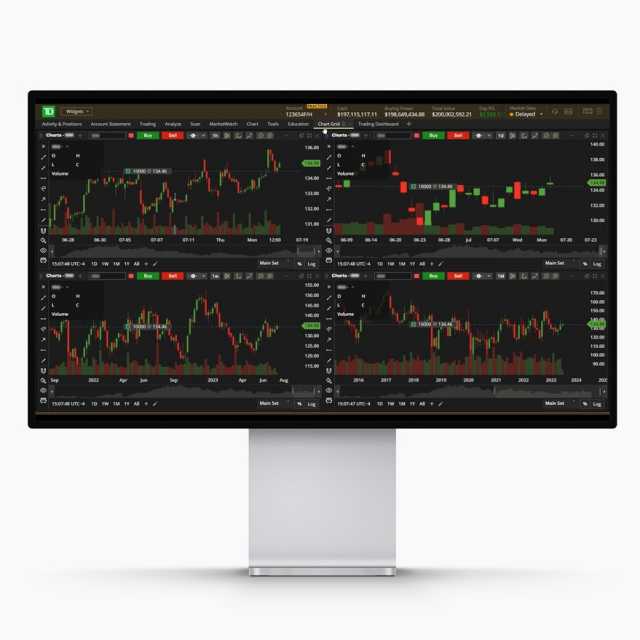
Another weak option is relying on generic tax software without verifying data accuracy. Automated imports from exchanges often miss peer-to-peer trades, airdrops, or staking rewards. Always reconcile your on-chain history with your tax software’s output. For context on market volatility affecting these trades, you can view live price action below.
Crypto tax education for active traders strategy: what to check next
Active trading creates complex tax liabilities. Understanding the rules helps you avoid audits and keep more capital. Here are the most common questions traders ask about crypto taxes and trading strategies.
No comments yet. Be the first to share your thoughts!