Why 2026 changes crypto tax reporting
The rules for reporting digital assets are shifting under your feet. For active traders executing dozens of transactions a month, the margin for error is shrinking. What used to be a matter of tracking simple buys and sells has evolved into a complex infrastructure challenge involving exchange-level reporting and stricter compliance thresholds.
In 2026, the primary driver of this change is the implementation of new IRS reporting mandates requiring digital asset service providers to issue detailed transaction statements. This isn't just about annual summary forms; it's about granular data that flags discrepancies between what you report and what exchanges report. If you are trading frequently, these new data points will likely expose unreported gains or incorrect cost-basis calculations that previously went unnoticed.
This shift moves the burden of proof squarely onto the trader. You can no longer rely on vague memory or incomplete personal records. The IRS is using third-party data to verify your filings, which means your tax strategy must be as precise as your trading strategy. For high-volume traders, this often means adopting specialized tax software that can reconcile thousands of individual trades with the standardized reports provided by your exchanges.
The stakes are higher because the penalties for underreporting digital asset income have increased. The IRS has explicitly stated that failure to report virtual currency transactions can result in significant fines and interest. For an active trader, a single unreported trade across multiple exchanges can compound into a substantial liability when the agency’s automated systems flag the mismatch.
You need to treat your tax records with the same rigor as your trading logs. This means documenting every trade, including swaps, staking rewards, and airdrops, in real-time. Waiting until tax season to sort through your history is no longer a viable option. The new reporting infrastructure is designed to catch omissions quickly, so proactive education and accurate record-keeping are your best defenses against unexpected tax liabilities.
Real-time reporting tools for high-volume traders
If you execute more than a few trades a day, manual tracking is a recipe for disaster. The IRS treats every crypto swap, trade, and even some staking rewards as a taxable event. For active traders, the volume of data can be overwhelming. You need software that ingests this chaos and turns it into clean, audit-ready reports without breaking the bank.
The right tool connects directly to your exchanges via API, pulling transaction history in real-time. This means you aren't relying on manual CSV uploads that might miss a trade or duplicate a record. Accuracy here is non-negotiable. A single error can trigger an audit or result in you overpaying taxes on gains that never actually happened.
We compared the top software solutions based on their ability to handle high-frequency data, their integration with major exchanges, and the quality of their tax form generation. The goal is to find a tool that works as hard as you do.

Top Crypto Tax Software Compared
Not all tax software is built for the speed and volume of active trading. Some tools lag when syncing large datasets, while others struggle with complex DeFi transactions. Below is a side-by-side look at how the leading options stack up against the needs of high-volume traders.
| Tool | Real-Time API Sync | Major Exchanges | Starting Cost | Tax Form Output |
|---|---|---|---|---|
| CoinLedger | Yes | 50+ | $49 | Schedule D, Form 8949 |
| Koinly | Yes | 400+ | $49 | Schedule D, Form 8949 |
| TradeLog | Yes | All Major | $399+ | Trader Tax Statement, 1099-B |
| TokenTax | Yes | 300+ | $69 | Schedule D, Form 8949 |
CoinLedger and Koinly are strong contenders for most traders. They support hundreds of exchanges and offer real-time API syncing, which is essential for catching every trade. However, their starting prices are around $49-$69, which can add up if you have multiple wallets or accounts.
TradeLog stands apart because it is designed specifically for professional traders. It offers a "Trader Tax Statement" that can simplify filing under Section 475(f) mark-to-market accounting, a strategy that many high-volume traders use to offset losses against ordinary income. This comes at a higher price point, starting around $399, but the time saved and potential tax savings often justify the cost for serious traders.
TokenTax is another robust option, particularly if you deal with a lot of DeFi protocols. It supports over 300 exchanges and provides detailed reporting. Like CoinLedger, it generates the standard IRS forms, making it a solid choice for traders who need broad compatibility without the professional-grade features of TradeLog.
Choosing the Right Fit for Your Volume
When selecting a tool, look beyond the price tag. Check if the software supports all the exchanges and wallets you use. If you trade on a niche exchange, make sure it is in the supported list. Also, consider the level of customer support. During tax season, having access to a specialist who understands crypto tax law can be invaluable.
Finally, verify that the software generates the correct IRS forms. For most traders, this means Schedule D and Form 8949. If you are considering mark-to-market accounting, you need a tool that can generate the specific statements required for that election. Always double-check your data before filing. No software is perfect, and a final manual review is the best insurance against errors.
Strategies to manage capital gains and losses
Active trading creates a high-volume tax environment where standard holding strategies often fall short. The difference between a short-term and long-term capital gain can change your effective tax rate by 15% or more, making holding period management a primary lever for reducing liability. For traders executing dozens of transactions weekly, relying on intuition to track these periods is risky; precise record-keeping is the only way to ensure you are capturing every eligible benefit.
Tax-Loss Harvesting
Tax-loss harvesting involves selling an asset at a loss to offset capital gains from other trades. This strategy is particularly effective for active traders who frequently realize profits. By realizing a loss in the same tax year, you can reduce your taxable income dollar-for-dollar against your gains. If your losses exceed your gains, you can typically deduct up to $3,000 of the remaining loss against ordinary income, with any excess carried forward to future years. This process turns market volatility into a tax advantage, effectively lowering the cost basis of your overall portfolio.
Navigating the Wash Sale Rule
The wash sale rule disallows a tax deduction if you buy a "substantially identical" security within 30 days before or after selling it at a loss. While the IRS has historically been ambiguous about whether crypto assets are "securities," recent guidance and court cases suggest that cryptocurrencies are treated as property, not securities, meaning the wash sale rule may not currently apply to crypto-to-crypto trades. However, this is a complex and evolving area of tax law. If you trade crypto against fiat or traditional securities, the rule may still apply. Always consult a tax professional to determine if your specific trading pairs are exempt, as misinterpreting this rule can lead to denied deductions and audits.
Holding Period Management
Holding an asset for more than one year qualifies it for long-term capital gains rates, which are significantly lower than short-term rates that match your ordinary income tax bracket. For active traders, this requires a deliberate pause in trading activity. If you plan to realize a gain, ensure the asset has been held for at least 366 days (including the day of acquisition) to avoid short-term classification. Conversely, if you need to harvest a loss, sell before the one-year mark to classify it as a short-term loss, which can offset short-term gains more directly. Strategic timing of these sales can result in substantial tax savings.
-
Review all open positions for assets nearing the 1-year holding mark
-
Calculate potential tax liability for upcoming gains
-
Verify if any recent sales trigger wash sale rules (if applicable)
-
Document all loss-harvesting transactions for tax filing
Build a compliant trading infrastructure
High-volume trading generates data that manual tracking cannot handle. You need a backend system that captures every swap, stake, and bridge before the tax season arrives. Treat your infrastructure like your trading platform: it must be reliable, auditable, and separate from your personal finances.
Open a dedicated bank account and crypto wallet exclusively for trading activities. This segregation simplifies the audit trail. The IRS looks for commingled funds when assessing tax liability, so keeping trading capital distinct from personal savings prevents ambiguity during an audit.

Connect your exchange APIs to a tax software provider that supports high-frequency trading. Manual entry is prone to error and fatigue. Automated imports pull trade history directly from exchanges, ensuring every realized gain or loss is captured in real-time rather than relying on memory at year-end.
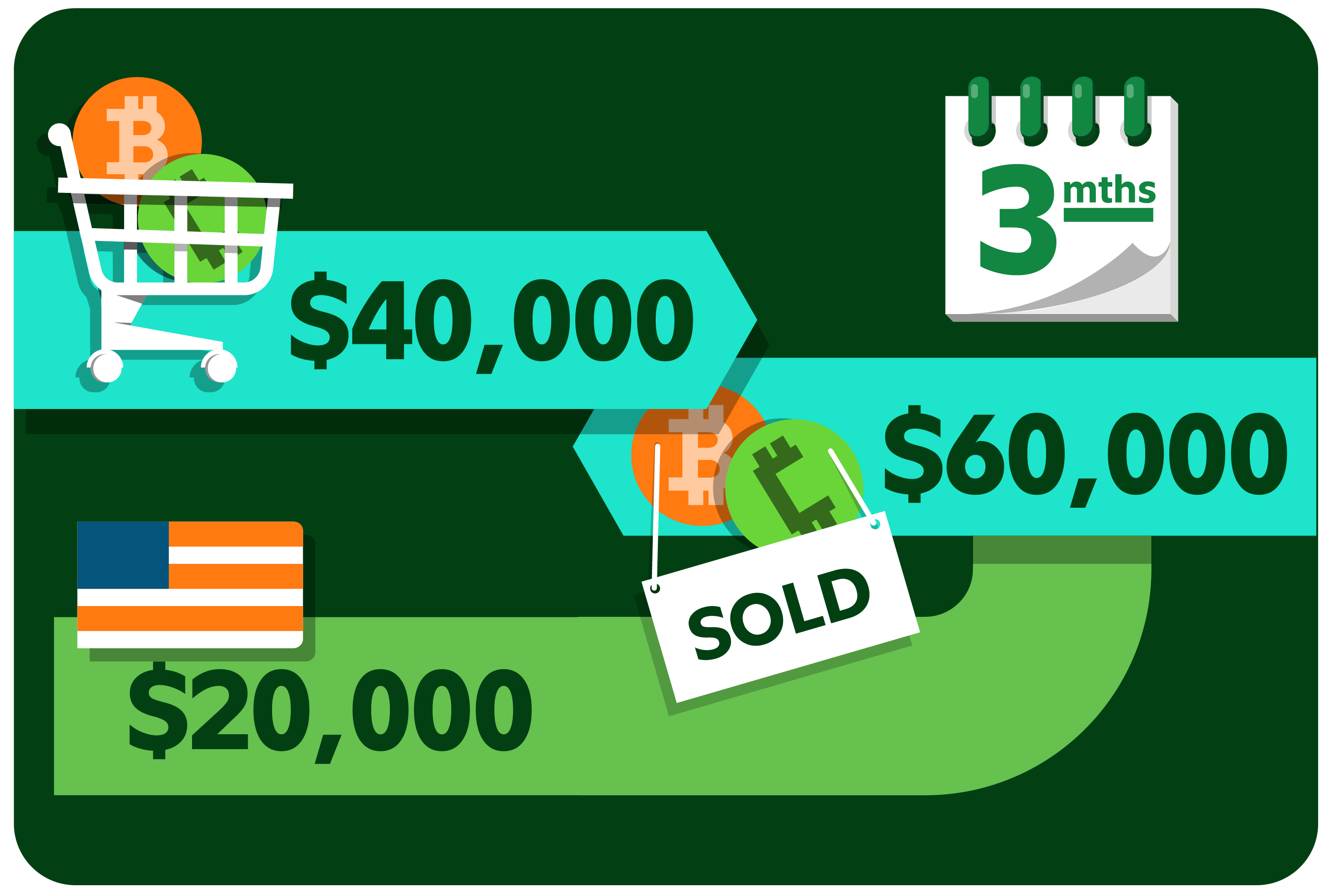
Review your tax liability every three months. Crypto markets are volatile; a position that is profitable in Q1 may be underwater in Q2. Quarterly checks allow you to estimate estimated tax payments and adjust your trading strategy to manage your overall tax bracket effectively.
A robust infrastructure turns chaotic trade logs into a clear financial picture. By separating assets, automating data collection, and reviewing regularly, you ensure that your tax reporting reflects the true cost of your trading activity.
Educational resources for crypto traders
Staying ahead of tax season requires more than just a spreadsheet; it demands a clear understanding of how your specific trading style is categorized. For active traders, the line between investor and dealer is thin, and the tax implications are steep. Relying on general crypto guides often leads to costly errors because they rarely address high-volume day trading or complex derivatives.
Start with TradeLog, which offers trader-specific tax education designed for those who trade frequently. Their resources break down complex issues like mark-to-market accounting and wash sale rules in plain language, making them essential for anyone managing a high volume of transactions. You can explore their guides at TradeLog Education.
For a broader foundational understanding, AvaAcademy provides free online courses that cover the basics of cryptocurrency trading. While not exclusively tax-focused, these courses help you understand the mechanics of the assets you are trading, which is the first step in accurate reporting. You can access their curriculum at AvaAcademy.
Frequently asked questions about crypto taxes
Helpful gear
Use these product recommendations as a starting point, then choose the size, material, and price point that fit how you actually use the gear.


![The Crypto Millionaire Bible: [5 in 1] How to Easily Make Life-Changing Money in The Next Big 2025-2026 Bull Run with Smart Investing and Trading Any Cryptocurrency (Altcoins, Meme, NFT, Airdrops)](https://m.media-amazon.com/images/I/61K1jz+cWtL._AC_UY654_QL65_.jpg)
As an Amazon Associate, we may earn from qualifying purchases.
No comments yet. Be the first to share your thoughts!