Track every trade immediately
Active trading generates data faster than manual spreadsheets can handle. The IRS treats cryptocurrency as property, meaning every swap, sale, or transfer is a taxable event. Waiting until tax season to reconcile months of activity invites errors, missed deductions, and potential audits. You need a system that captures the full picture in real time.
Step 1: Log every transaction as it happens
Do not rely on memory or end-of-month summaries. Use dedicated crypto tax software that connects directly to your exchange APIs and wallet addresses. These tools pull transaction data automatically, reducing the risk of human error. Ensure your software supports all the assets you trade, including stablecoins and tokens from smaller chains. Immediate logging prevents the "data gap" where missing records force you to assume a higher cost basis, resulting in unnecessary tax liability.

Link your exchanges and wallets to your tax software. Most platforms use read-only API keys, which allow data retrieval without giving the software permission to move your funds. This security measure is standard for reputable providers. Verify that the connection includes all relevant trading pairs and historical data.
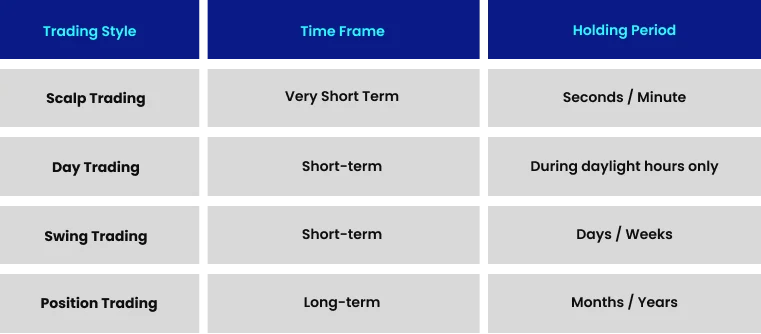
Review your imported transactions weekly. Look for missing entries, especially for peer-to-peer trades or transfers between your own wallets. These are often overlooked by automated importers. Correcting errors while they are fresh is far easier than reconciling them six months later. Flag any suspicious or duplicate entries for manual review.

Cross-reference your tax software’s summary with your actual bank deposits and exchange withdrawal records. This step ensures that every dollar leaving or entering your ecosystem is accounted for. Discrepancies here are the most common trigger for IRS inquiries. Keep digital copies of all statements for at least seven years.
Step 2: Categorize gains and losses correctly
Not all crypto transactions are created equal. The IRS distinguishes between short-term and long-term capital gains based on how long you held the asset. Short-term gains (held for one year or less) are taxed at your ordinary income rate, which can be significantly higher. Long-term gains benefit from lower preferential rates. Your software should automatically calculate these durations for every single trade.
Step 3: Harvest losses strategically
Tax-loss harvesting involves selling assets at a loss to offset gains elsewhere in your portfolio. For active traders, this is a powerful tool to reduce your overall tax bill. However, you must avoid the "wash sale" rule, which disallows the deduction if you buy the same or substantially identical asset within 30 days before or after the sale. While the wash sale rule currently applies to stocks and does not explicitly to crypto, legislative changes are possible. Stay informed and consult a tax professional for complex scenarios.
Step 4: Maintain a digital audit trail
Keep a separate, immutable log of your trades. This could be a simple CSV export from your exchange or a blockchain explorer record. If the IRS questions a specific transaction, you need proof of the date, time, price, and quantity. Digital records are faster to retrieve than paper trails. Store these backups in a secure, cloud-based location separate from your primary tax software.
Note: The IRS requires you to report all crypto transactions, regardless of the amount. Even small trades or conversions can trigger tax obligations. Ignoring small transactions does not make them disappear from the IRS’s view.
Step 5: Review your tax liability quarterly
Don’t wait for April 15th. Review your estimated tax liability every quarter. This allows you to adjust your withholding or make estimated tax payments to avoid underpayment penalties. Active traders often face large tax bills due to high volume. Planning ahead ensures you have the liquidity to pay what you owe without disrupting your trading capital.
Key Takeaways
- Log immediately: Use software to capture every trade as it happens.
- Verify weekly: Check for missing or duplicate transactions regularly.
- Categorize correctly: Distinguish between short-term and long-term gains.
- Harvest losses: Use losses to offset gains, but watch for wash sale rules.
- Audit trail: Keep digital records of all transactions for proof.
- Quarterly reviews: Estimate and pay taxes throughout the year to avoid penalties.
Choose the right tax software
Selecting the correct crypto tax software is not just about convenience; it is about accuracy and compliance. For active traders, the difference between a manual spreadsheet and automated software is the difference between a smooth audit defense and a costly correction. The IRS requires detailed records of every transaction, including date, time, cost basis, and proceeds. When you trade frequently across multiple chains or interact with DeFi protocols, manual tracking becomes impossible.
You need a tool that handles high-volume data ingestion without errors. Look for software that automatically pulls transaction history directly from your exchange APIs and wallet addresses. This reduces the risk of missing trades or misclassifying events. The best platforms also support complex assets like NFTs and provide clear reports that align with IRS Form 8949 requirements.
To help you compare options, here is a breakdown of popular tools based on features, supported chains, and pricing models.
| Software | Key Features | Starting Price | Supported Chains |
|---|---|---|---|
| Koinly | Imports from 500+ exchanges, DeFi support | $49/year | Ethereum, Solana, Bitcoin, Polygon |
| CoinTracker | Auto-import, audit-ready reports, NFT support | $49/year | Ethereum, Bitcoin, Solana, BSC |
| TradeLog | Trader-specific, tax-loss harvesting tools | $299/year | Bitcoin, Ethereum, CEXs |
| TokenTax | Multi-wallet, tax optimization, API imports | $49/year | Ethereum, Bitcoin, Polygon, Avalanche |
When evaluating these options, consider your specific trading volume and asset types. If you are a high-frequency trader, software like TradeLog offers specialized features for tax-loss harvesting and mark-to-market accounting, which can significantly reduce your tax liability. For most DeFi users, Koinly or CoinTracker provide robust support for smart contract interactions and cross-chain swaps.
Always verify that the software you choose is regularly updated to reflect the latest IRS guidance and blockchain network changes. An outdated tool might miss recent hard forks or airdrops, leading to incomplete tax reports. Prioritize tools with transparent pricing and clear customer support channels, as you may need assistance during tax season. The right software acts as your financial record-keeper, ensuring you stay compliant while focusing on your trading strategy.
Short-term vs. long-term capital gains
How long you hold a crypto asset before selling it determines the tax rate applied to your profit. For active traders, this distinction is the primary lever for managing tax liability. The IRS categorizes these profits as either short-term or long-term capital gains, each with different rules and rates.
Short-term gains
Short-term capital gains apply to crypto assets held for one year or less. The IRS treats these profits as ordinary income, meaning they are taxed at your standard federal income tax bracket. For high-volume traders, this can result in a significantly higher tax bill compared to long-term strategies.
If you sell Bitcoin, Ethereum, or any other digital asset within twelve months of acquisition, the profit is added to your W-2 income. This eliminates the preferential tax rates available to long-term holders. Active traders executing daily or weekly trades are almost exclusively subject to short-term rates.
Long-term gains
Long-term capital gains apply to assets held for more than one year. These profits benefit from preferential tax rates, which are generally lower than ordinary income rates. The specific rate depends on your total taxable income, typically falling into 0%, 15%, or 20% brackets.
For active traders, achieving long-term status requires a shift in strategy. Instead of frequent trading, it involves holding assets through market cycles. While this reduces trading activity, it can substantially lower the overall tax burden on profitable positions.
Why holding period matters for traders
The difference between short-term and long-term rates can impact your net profit by several percentage points. A trader in the 37% federal bracket pays 37% on short-term gains but might pay only 15% on long-term gains. This gap is significant for high-frequency trading strategies.
Software tools are essential for tracking holding periods accurately. Manual tracking is prone to errors, especially with frequent trades across multiple wallets. Using dedicated crypto tax software ensures that each transaction is categorized correctly based on the exact date and time of acquisition and disposal.
Apply tax-loss harvesting strategies
Tax-loss harvesting is the most effective legal tool for active traders to reduce their taxable income. By selling assets at a loss, you can offset capital gains from winning trades. The IRS treats cryptocurrency as property, meaning every sale triggers a taxable event that you must report. For high-volume traders, these small losses add up to significant savings over the tax year.
To execute this strategy, identify positions that have dropped in value since purchase. Sell these assets to realize the loss, then immediately use the proceeds to buy a different cryptocurrency. This keeps your market exposure intact while locking in the tax benefit. Be careful to avoid the "wash sale" rule, which disallows losses if you buy a "substantially identical" asset within 30 days before or after the sale. While the IRS currently does not explicitly apply wash sale rules to crypto, this interpretation may change, so maintaining strict separation between sold and repurchased assets is the safest approach.
Pre-filing tax-loss harvesting checklist
Use this checklist to ensure your tax-loss harvesting is compliant and effective before filing your return.
-
Identify underperforming crypto assets in your portfolio.
-
Calculate the exact loss amount based on your cost basis.
-
Sell the asset to realize the loss in your taxable account.
-
Verify you are not buying a substantially identical asset within the 30-day window.
-
Record the transaction in your tax software to offset realized gains.
-
Review your total net capital loss to see if you can deduct up to $3,000 against ordinary income.
For more details on how the IRS treats crypto as property and reporting requirements, refer to IRS Notice 2014-21.
Prepare your tax documents
Active traders generate high volumes of transactions that are impossible to reconcile manually. To avoid IRS penalties, you must organize your data before filing. The goal is to ensure your Form 8949 and Schedule D accurately reflect every swap, sale, and transfer.
Export complete CSV files from every exchange, wallet, and decentralized protocol you used. Ensure the export covers the full tax year. Missing data from a single wallet can trigger an audit, so cast a wide net. Coinbase and E-Trade provide detailed transaction histories that serve as a reliable baseline for your records.
Import your CSVs into specialized crypto tax software. These tools automatically calculate capital gains and losses for each transaction, handling complex scenarios like DeFi interactions. Verify that the software correctly identifies your cost basis method (e.g., FIFO or Specific ID) to match your trading strategy.
Generate Form 8949 from your software and cross-reference it against your raw data. Check for duplicate entries or misclassified transactions. The Schedule D summary should match your total gains and losses. This step is critical for active traders who may have hundreds of short-term trades.

As an Amazon Associate, we may earn from qualifying purchases.
Common crypto tax: what to check next
Active trading creates a high volume of transactions that standard tax forms often miss. Software like Koinly or CoinTracker aggregates this data, but you must verify the logic against IRS rules. The following answers address the specific concerns of high-frequency traders.
For traders seeking to deepen their understanding of these mechanics, platforms like AvaAcademy offer free courses that break down complex trading strategies and their financial implications. However, always prioritize official IRS guidance over general educational content when preparing your filings.
No comments yet. Be the first to share your thoughts!