Why active traders face unique tax pressure
Standard crypto tax advice works for the casual investor who buys Bitcoin and holds it for a few years. It falls apart completely for the active trader executing dozens or hundreds of trades a week. When you are managing high-frequency positions, the volume of data and the complexity of cost-basis calculations create a tax liability landscape that generic software simply cannot handle.
The core issue is volume. If you trade frequently, you generate thousands of transactions. Standard tax forms and basic tracking tools assume a low-velocity portfolio. They often miss the nuance of specific lot identification or the timing differences between when a trade executes and when it settles. For an active trader, this isn't just an administrative annoyance; it is a direct hit to your bottom line through overpayment or, worse, audit risk.
The introduction of new reporting requirements, such as Form 1099-DA, adds another layer of complexity. These forms aggregate data from exchanges, but they rarely match the precise cost-basis method an active trader needs to use for optimization. Relying on exchange-provided data without independent verification is dangerous. You need infrastructure that can reconcile these discrepancies automatically, ensuring your reported gains reflect your actual trading strategy rather than a simplified average.
Tracking infrastructure for high volume trades
If you execute more than a few trades a day, manual spreadsheets stop working. The volume of transactions overwhelms human capacity, and the risk of error becomes a liability. The IRS treats every crypto swap, trade, or transfer as a taxable event. Missing a single transaction can trigger an audit or result in incorrect filings.
Automated transaction tracking software is the only viable infrastructure for active traders. These tools connect directly to exchanges, wallets, and blockchains to pull data in real time. They calculate cost basis using specific identification, FIFO, or other methods, ensuring that your tax reports match your actual trading activity.

The difference between manual entry and automated software is not just about speed; it is about accuracy. Manual tracking relies on memory or scattered CSV downloads, which are prone to omissions. Automated software aggregates data from multiple sources, reconciles discrepancies, and prepares the data for tax forms like the new Form 1099-DA. This integration is critical for maintaining compliance without sacrificing trading time.
| Feature | Manual Tracking (Spreadsheets) | Automated Software |
|---|---|---|
| Data Aggregation | Manual CSV uploads per exchange | API/Blockchain sync across all sources |
| Error Rate | High (human entry mistakes) | Low (automated reconciliation) |
| Cost Basis Calculation | Prone to errors, hard to audit | Precise, supports multiple methods |
| Time Investment | Hours per week/month | Minutes per month |
| Audit Readiness | Low (fragmented records) | High (complete transaction history) |
Active traders need a system that scales with their volume. The infrastructure you choose today determines how easily you can handle tax season next year. Investing in reliable software now prevents costly corrections later.
Essential tools for tax compliance
Active traders generate transaction volumes that quickly overwhelm spreadsheets. When you execute dozens of trades daily across multiple exchanges, manual tracking is not just tedious—it is a compliance risk. The IRS treats crypto as property, meaning every swap, trade, and even certain airdrops can trigger a taxable event. To stay compliant without losing sleep, you need infrastructure that automates the heavy lifting.
The foundation of any crypto tax strategy is a dedicated tax software solution. These platforms connect to your exchange APIs (like Coinbase, Kraken, or Binance) and import your transaction history automatically. They then classify each transaction according to current tax laws, calculating capital gains and losses for every trade. For high-frequency traders, the ability to handle thousands of transactions in minutes is the primary benefit. Look for software that supports FIFO (First-In, First-Out) or HIFO (Highest-In, First-Out) accounting methods, as these are the most common standards required by tax authorities. Avoid free tools for high-volume trading; the hidden cost of manual reconciliation often outweighs the subscription fee.
Import your transaction history directly from each exchange and wallet address. Ensure you select the correct date range to capture all activity for the tax year.

Scan for unclassified transactions. Common issues include staking rewards, airdrops, or transfers between your own wallets that may be misidentified as sales.

Export the final report in a format compatible with your tax software (TurboTax, H&R Block, or a CPA). Double-check the summary totals before filing.

Beyond software, having access to reliable educational resources is critical for interpreting complex scenarios. While tax laws evolve, the core principles of property classification remain stable. Resources like CoinLedger’s comprehensive guides or CountDeFi’s Bitcoin-specific tax breakdowns can help you understand specific edge cases, such as the tax implications of DeFi yield farming or cross-chain bridges. These resources clarify how different types of income—whether capital gains, ordinary income from staking, or miscellaneous income from airdrops—are reported.
For traders who prefer physical references or deeper dives into tax strategy, curated books and software subscriptions are available through retailers like Amazon. These resources often provide detailed case studies and checklists that can serve as a second layer of verification for your automated reports.



As an Amazon Associate, we may earn from qualifying purchases.
Finally, consider the role of professional consultation. If your trading volume exceeds a certain threshold or involves complex instruments like options or futures, a CPA specializing in cryptocurrency can be invaluable. They can help you identify deductions for trading expenses, such as data feed costs or software subscriptions, which can significantly reduce your taxable income. The goal is not to avoid taxes, but to ensure you are paying the correct amount based on accurate data.
Strategy for minimizing tax liability legally
Active trading volume creates a complex tax profile, but specific strategies can legally reduce your burden. The IRS treats cryptocurrency as property, meaning every trade, swap, or transfer is a taxable event. For high-frequency traders, failing to plan these events can result in significant unexpected liabilities.
You can manage these outcomes by aligning your trading frequency with IRS holding periods and using specific loss-offsetting techniques. The following steps outline how to structure your activity to optimize your tax position.
The most effective way to lower your tax rate is to hold assets for more than one year. Short-term gains are taxed as ordinary income, which can reach 37% for top earners. Long-term gains are capped at 15% or 20%, depending on your total income. If you have a position that has appreciated, consider reducing your trading activity to lock in this favorable rate rather than chasing short-term volatility.

Tax-loss harvesting involves selling assets that have declined in value to offset gains from other trades. This is particularly useful for active traders who may have winners and losers in the same portfolio. By realizing losses, you can reduce your taxable income. The IRS allows you to deduct up to $3,000 in net capital losses against ordinary income annually, with any excess carried forward to future years. This strategy requires careful tracking to ensure you do not trigger wash-sale rules, which disallow the loss if you repurchase the same or substantially identical asset within 30 days.
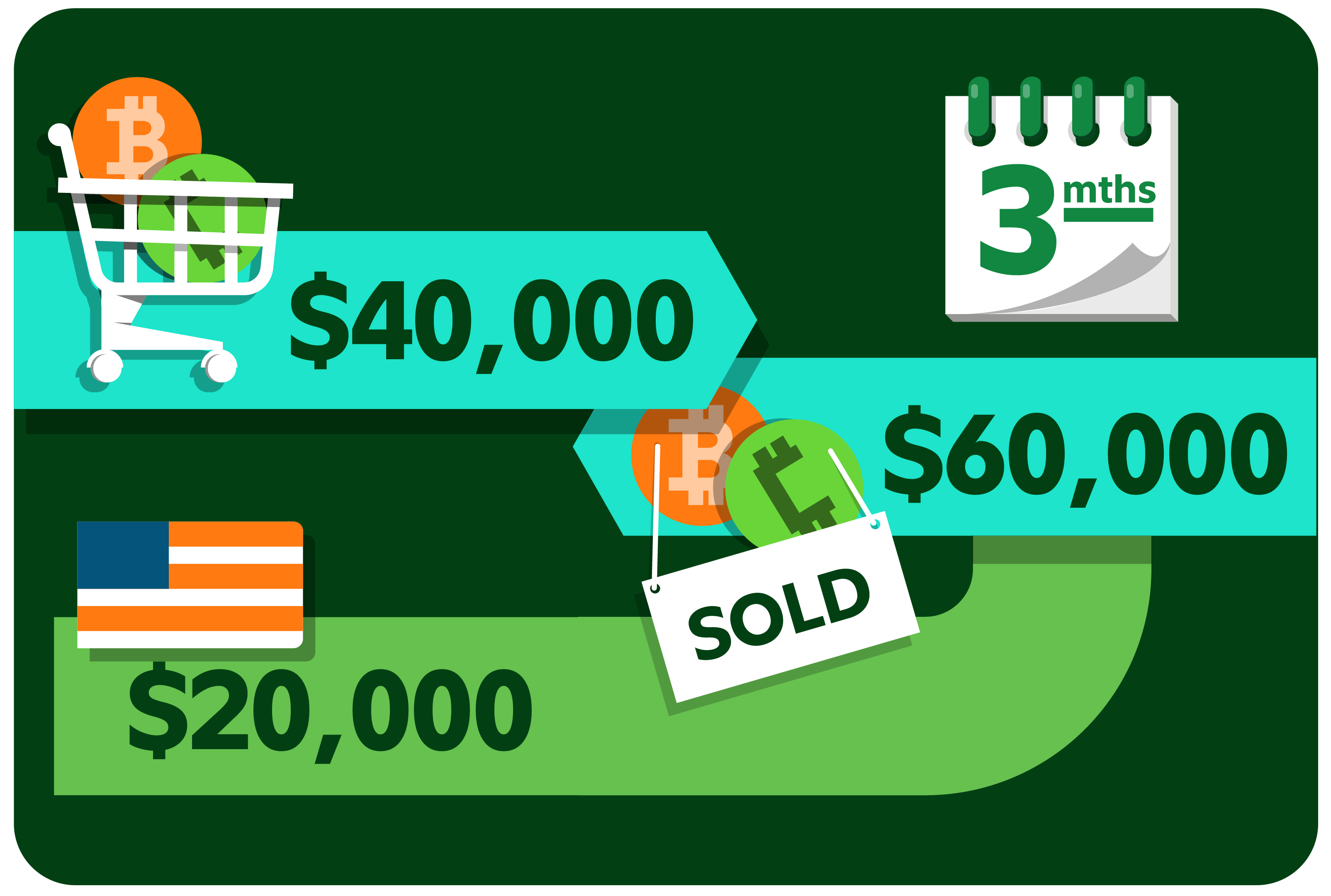
When you sell a portion of your holdings, you must specify which "lots" (purchase records) are being sold. The IRS allows you to use Specific Lot Identification, which lets you choose which shares to sell to minimize taxes. For example, if you bought Bitcoin at three different prices, you can choose to sell the most expensive lot first to generate a larger loss or smaller gain. This requires meticulous record-keeping and software that supports lot tracking, as default methods like FIFO (First-In, First-Out) may result in higher tax bills.
Understanding market data for tax reporting
Use this section to make the Crypto Tax Education for Active Traders decision easier to compare in real life, not just on paper. Start with the reader's actual constraint, then separate must-have requirements from details that are merely nice to have. A practical choice should survive normal use, maintenance, timing, and budget. If a recommendation only works in an ideal situation, call that out plainly and give the reader a fallback path.
The simplest way to use this section is to write down the must-have criteria first, then compare each option against those criteria before weighing nice-to-have features.
Frequently asked questions about crypto taxes
What are the best educational resources for active traders?
Active traders need precise, high-volume data handling, not basic overviews. AvaAcademy offers free, structured courses that break down market mechanics and trading strategies without the financial barrier. For tax-specific education, resources like CoinLedger and CountDeFi provide guides tailored to the nuances of frequent trading across bull and bear markets, helping you distinguish between taxable events and simple transfers.
How can I legally reduce my crypto tax liability?
The most direct way to defer taxes is to hold your assets. In the U.S., buying and holding crypto without selling it during the tax year means no taxable event occurs. Additionally, transferring crypto between your own wallets or gifting assets to family members (within annual exclusion limits) does not trigger capital gains taxes. These strategies require careful record-keeping but are fully compliant with current IRS guidelines.
Do I need a CPA or tax software for high-volume trading?
Yes. If you execute more than a few trades per year, manual tracking is prone to errors that can trigger IRS audits. Dedicated tax software imports transaction history directly from exchanges and wallets, calculating gains and losses automatically. For complex strategies like staking, yield farming, or DeFi interactions, consulting a CPA who specializes in cryptocurrency ensures you are leveraging all available deductions and reporting rules correctly.
No comments yet. Be the first to share your thoughts!