Why active traders face unique tax risks
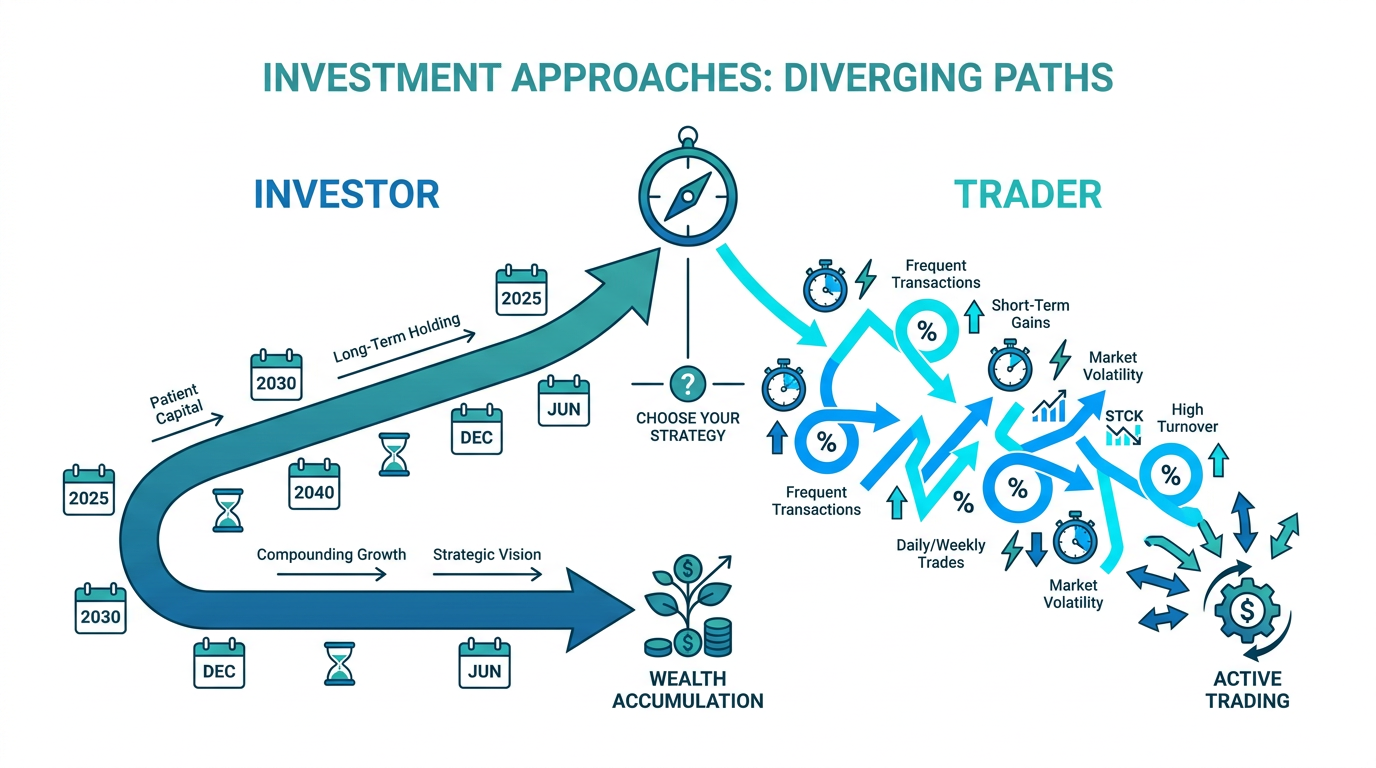
If you treat cryptocurrency like a long-term hold, you might assume the tax bill is straightforward. But for active traders, the IRS doesn’t see a portfolio; it sees a ledger of thousands of individual transactions. Every swap, trade, and transfer creates a taxable event that must be tracked with precision. The difference between a casual investor and an active trader isn’t just volume—it’s the complexity of the infrastructure required to stay compliant.
When you trade frequently, you aren’t just dealing with capital gains; you’re managing a high-frequency data problem. A single day of scalping or swing trading can generate dozens of transactions. If you’re using multiple exchanges, DeFi protocols, or cross-chain bridges, that number multiplies exponentially. Without automated tracking and reconciliation tools, manual tracking becomes impossible within weeks, let alone months. The risk isn’t just paying too much tax; it’s failing to report accurately when the sheer volume of data overwhelms your ability to reconcile it.
Note: The IRS treats cryptocurrency as property, not currency. This means every trade is a potential taxable event, including trading one crypto for another. Fidelity and Morgan Stanley both emphasize that standard investment tax rules apply, but the volume of transactions in active trading creates unique compliance challenges.
The stakes are significantly higher for those executing high-volume trades. A missed transaction or an incorrect cost basis calculation can lead to audits, penalties, and interest. The infrastructure you use to manage your trades must also be capable of generating accurate tax reports. Relying on basic exchange exports is rarely enough because they often lack the granularity needed for complex strategies like arbitrage or liquidity provision. Building a robust tax infrastructure isn’t optional—it’s the foundation of sustainable trading.
The complexity also extends to how different types of assets are treated. While spot trades are common, many active traders also engage in futures, options, or staking rewards. Each of these has distinct tax implications that can drastically change your final liability. Understanding these nuances requires more than just knowing the current price of Bitcoin; it requires a deep dive into the specific mechanics of each transaction type. Without this clarity, you’re trading blind, risking your capital not just to market volatility, but to regulatory oversight.
Building a compliant transaction infrastructure
Active traders don't have the luxury of manually logging every swap. When you're executing dozens of trades across multiple exchanges, DeFi protocols, and wallets, the volume becomes unmanageable. Your tax compliance starts with the technical infrastructure you build to track these movements. You need a system that aggregates data automatically, ensuring no transaction slips through the cracks.
The core of this infrastructure is automated data aggregation. Instead of exporting CSV files from five different exchanges and trying to reconcile them in a spreadsheet, you use specialized software to pull transaction history directly via API keys. This real-time synchronization captures every trade, including complex DeFi interactions like liquidity pool deposits or staking rewards, which are often missed by basic tracking methods. The goal is to create a single, unified ledger that reflects your true financial activity across the entire crypto ecosystem.
This automated approach is critical for accurate cost basis calculation. Manual entry is prone to errors, and even small mistakes can lead to significant tax liabilities or audits. By letting software handle the heavy lifting, you ensure that each transaction is tagged correctly as a short-term or long-term capital gain or loss. This precision is what separates professional traders from amateurs when it comes to reporting.
The volatility of the market adds another layer of complexity to this infrastructure. Prices can swing wildly in minutes, meaning the value of an asset at the time of trade is drastically different from its value hours later. Your tracking system must account for this volatility by recording the exact fair market value at the moment of each transaction. This data is essential for calculating accurate gains and losses, especially when dealing with high-frequency trading strategies.
Essential tools for tax calculation and reporting
High-volume trading creates a data problem that spreadsheets simply cannot solve. When you execute dozens of trades across multiple exchanges and DeFi protocols, manual entry turns tax season into a nightmare of missing records and calculation errors. You need infrastructure that automates the heavy lifting, connecting directly to your wallets and exchanges to pull transaction histories.
The market has matured beyond basic CSV uploads. Today’s leading software integrates with hundreds of data sources, including complex DeFi interactions like liquidity pool deposits and yield farming rewards. These tools map blockchain data to IRS reporting standards, generating the necessary forms (such as Form 8949) with minimal intervention from you. For active traders, the cost of the software is negligible compared to the risk of an audit triggered by mismatched data.
Top Software Solutions for Active Traders
Choosing the right platform depends on your specific trading volume and the complexity of your strategies. Below is a comparison of the most widely used tools for crypto tax preparation.
| Tool | Supported Exchanges | DeFi Support | Price Tier |
|---|---|---|---|
| Koinly | 500+ | Yes, deep integration | $ to $$ |
| CoinTracker | 400+ | Yes, strong UI | $ to $$ |
| CryptoTrader.Tax | 300+ | Yes, specialized | $ to $$ |
| TokenTax | 200+ | Yes, enterprise | $$ to $$$ |
For traders who prefer physical security or educational resources, hardware wallets and specialized guides are often purchased alongside software subscriptions. Secure storage ensures your keys remain offline, while comprehensive guides help you understand the underlying tax logic.


As an Amazon Associate, we may earn from qualifying purchases.
Key Features to Verify
Before committing to a subscription, verify that the tool supports your specific trading activities. If you trade heavily on decentralized exchanges (DEXs) like Uniswap or PancakeSwap, ensure the software can parse smart contract interactions. Many basic tools only support centralized exchanges (CEXs) and will leave your DeFi gains unreported, creating a compliance gap.
Also, check the import limits. Free tiers often restrict the number of transactions you can import per year. For active traders, this limit is usually hit within the first quarter. Paid tiers typically offer unlimited imports, which is essential for maintaining accurate records throughout the entire fiscal year. The investment in a robust tool pays for itself by reducing the time spent reconciling data and minimizing the risk of costly filing errors.
Market research strategies for tax efficiency
Active traders treat market research as a dual-purpose tool: it identifies entry and exit points, but it also shapes the tax outcome of those moves. Understanding the difference between short-term and long-term capital gains is not just about compliance; it is a direct lever on your net profit. In the United States, the IRS distinguishes between assets held for more than one year and those held for a year or less. The tax rates for short-term gains are typically aligned with your ordinary income tax bracket, which can be significantly higher than the preferential rates applied to long-term holdings. This distinction means that the timing of your research and execution matters just as much as the trade itself.
The ability to manage these tax liabilities often comes down to strategic timing. One common approach is tax-loss harvesting, where you sell assets that have declined in value to offset gains from other profitable trades. This strategy requires real-time market data to identify underperforming positions before the end of the tax year. By using live price widgets, you can monitor your portfolio's current standing and make informed decisions about which positions to close for tax purposes. For example, tracking a major asset like Bitcoin with a live price widget helps you see immediate fluctuations that might trigger a harvesting opportunity.
However, navigating these strategies requires careful adherence to official guidance. The IRS provides specific rules for traders, including the concept of "trader in securities" status, which can allow for different reporting methods on Form 1040. It is essential to consult primary sources, such as the IRS Topic 429 or reputable financial institutions like Charles Schwab, to understand how these rules apply to your specific trading volume and pattern. Relying on general advice can lead to costly errors, especially when dealing with the complex intersection of crypto and traditional tax codes. Always verify your strategy against official documentation to ensure you are optimizing your tax position legally and effectively.
Common Questions About Crypto Taxation
Active traders face complex reporting requirements. The IRS treats cryptocurrency as property, meaning every swap, trade, or transfer is a taxable event. Tracking these transactions manually is nearly impossible without specialized infrastructure. Understanding how to structure your assets and where to find reliable data is essential for compliance.
Staying compliant requires more than just good intentions. It demands the right software stack and a clear understanding of how your trading activity intersects with tax law. Start by reviewing your exchange statements and selecting a tool that can handle your specific volume.
No comments yet. Be the first to share your thoughts!