Crypto tax education for active traders
Active trading generates a high volume of transactions that standard tax forms often miss or misclassify. Without proper education, traders risk overpaying on short-term gains or missing legitimate deductions for software, internet, and home office expenses. Understanding the mechanics of how the IRS tracks these activities is the first step toward compliance.
The IRS treats cryptocurrency as property, not currency. This means every trade, swap, or sale triggers a taxable event. For active traders, the distinction between short-term and long-term holding periods is critical. Assets held for one year or less are taxed at ordinary income rates, which are typically higher than long-term capital gains rates. This structure often benefits active traders who can offset frequent gains with frequent losses.
Automated reporting tools have become essential for managing this complexity. These platforms sync with exchanges to calculate cost basis and generate IRS-compliant forms. However, software is only as accurate as the data it receives. Traders must verify that all wallets, including cold storage and DeFi interactions, are imported correctly before filing. Relying solely on exchange-provided 1099s can lead to gaps in reporting if you moved assets between platforms.
Key areas for trader education
Cost basis methods: Understand FIFO (First-In, First-Out) and Specific Identification. Specific ID allows you to choose which tokens are sold, potentially lowering your tax bill by matching high-cost tokens against gains.
Wash sale rules: Currently, crypto does not fall under traditional wash sale rules, but this may change. Staying informed on legislative updates prevents unexpected liabilities when repurchasing assets shortly after selling at a loss.
DeFi and staking rewards: Income from staking, lending, or yield farming is taxable as ordinary income at the fair market value when received. Educating yourself on how to value these rewards at the time of receipt is crucial for accurate reporting.
Recordkeeping habits: Maintain detailed logs of every transaction, including dates, values, and wallet addresses. Good records are your best defense during an audit and simplify the work of any tax professional you hire.
Crypto tax education active choices that change the plan
Active trading turns tax season into a data reconciliation problem. You are not just reporting gains; you are tracking cost basis, wash sales, and income from staking across multiple chains and exchanges. The IRS has shifted from relying on third-party summaries to direct reporting, which means your records must be precise. Choosing the right tools and strategies depends on your volume, complexity, and comfort with manual entry.
Software vs. Manual Tracking
Automated Tax Software connects to your exchange APIs and generates IRS-ready forms. It handles thousands of transactions in minutes but costs $50–$300 per return. It works best for traders with high volume across 2–3 platforms.
Manual Spreadsheets offer zero cost and total control but require significant time. You must download CSVs from every exchange, match buys to sells, and calculate gains yourself. This is viable for low-volume traders but risky if you miss a transaction or misapply FIFO/LIFO rules.
Professional Accountant vs. DIY
Crypto-Specialized CPA charges $200–$400 per hour. They catch errors, optimize deductions, and handle IRS correspondence. This is essential if you have complex income sources like airdrops, mining, or DeFi yield farming.
General Tax Preparer may charge less but often lacks crypto expertise. They might misclassify staking rewards as capital gains or miss wash sale rules, leading to audits. Only use them if you provide perfectly categorized data.
Reporting Complexity vs. Simplicity
Form 1099-DA (new for 2025) will require brokers to report gross proceeds and cost basis. This simplifies reporting for exchange-based traders but creates reconciliation headaches for those who also use self-custody wallets or decentralized exchanges (DEXs).
Self-Custody & DEXs remain largely unreported by third parties. You must track these transactions yourself. If you trade heavily on Uniswap or hold assets in Ledger/Trezor, software that supports blockchain scanning is critical to avoid underreporting.
| Factor | Tax Software | Specialist CPA | Manual/Spreadsheet |
|---|---|---|---|
| Cost | $50–$300 | $200–$400/hr | $0 |
| Time Required | Low (Automated) | Low (You provide data) | High (Manual entry) |
| Accuracy Risk | Medium (API errors) | Low (Expert review) | High (Human error) |
| Complexity Handle | Medium (Multi-exchange) | High (DeFi/Mining) | Low (Simple trades only) |
Choose the right tax reporting method
Active traders face a complex reporting landscape, but the IRS provides specific pathways to handle high-volume activity without drowning in spreadsheets. The choice of reporting method determines how much time you spend on compliance versus trading. Your decision should hinge on your transaction volume, the types of assets you trade, and your tolerance for administrative overhead.

Form 8978-D is designed for taxpayers with fewer than 200 crypto transactions annually. This form simplifies the reporting of "de minimis" transactions, allowing you to aggregate small gains and losses. If your activity is sporadic or low-volume, this form prevents the need for line-by-line tracking of every small trade.

Active traders often benefit from Mark-to-Market (MTM) accounting under Section 475(f). This method treats your crypto portfolio as inventory rather than capital assets. You mark everything to fair market value at year-end, converting potential capital gains into ordinary income. This approach eliminates the wash sale rule restrictions that currently plague crypto investors, allowing you to deduct losses more freely.
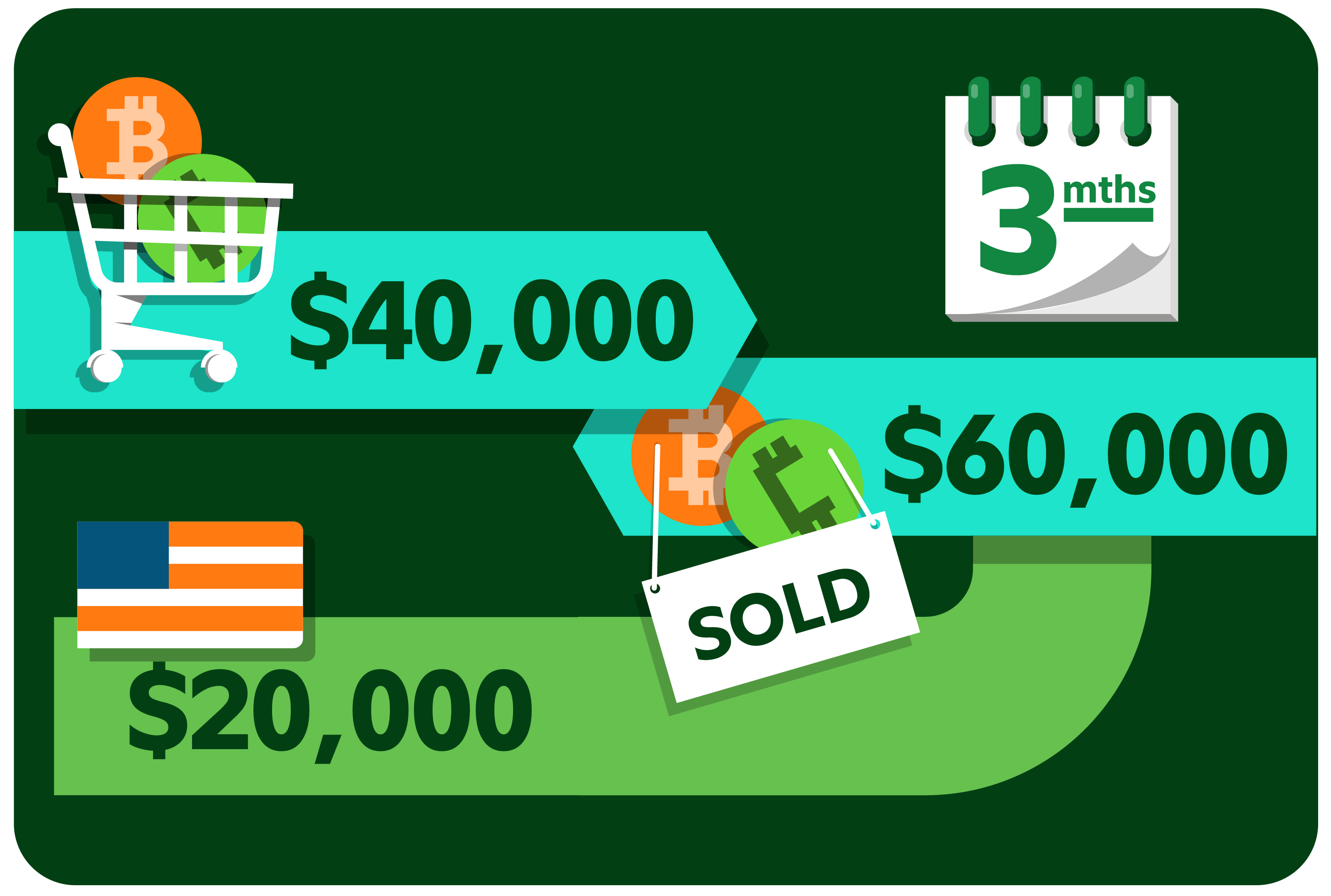
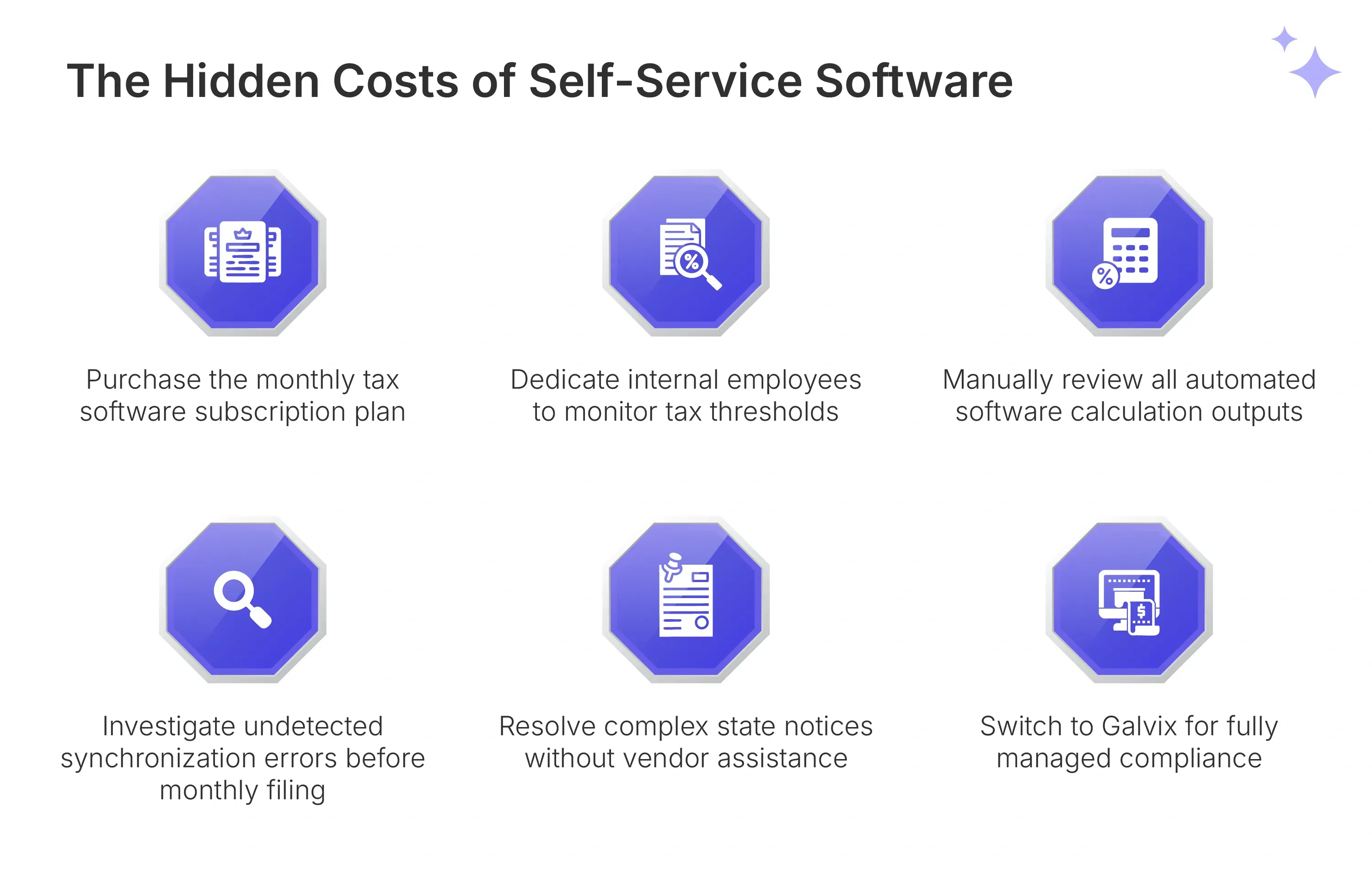
If you trade across multiple exchanges and wallets, manual tracking is prone to error. Automated tax software connects directly to your exchange APIs to pull transaction history. These tools categorize trades, identify wash sales, and generate the necessary IRS forms. For traders with hundreds of transactions, this automation is not just a convenience but a risk management necessity.


As an Amazon Associate, we may earn from qualifying purchases.
The right tool depends on your specific workflow. If you hold long-term, a simple cost-basis calculator may suffice. If you are day-trading, integrating MTM accounting with professional software is the only way to maintain accuracy and compliance.
Spotting misleading claims and weak options
The 2026 reporting landscape has tightened, making it easy for traders to fall for oversimplified advice. Many platforms push "tax-loss harvesting" as a guaranteed fix, but this strategy often triggers the wash-sale rule if not executed with precise timing. Similarly, claims that "crypto is tax-free if held in cold storage" are factually incorrect; the IRS taxes disposal events, not storage methods. Active traders must distinguish between legitimate deferral strategies and marketing hype designed to reduce software subscription costs.
The wash-sale trap
The wash-sale rule prohibits claiming a loss if you buy a "substantially identical" asset within 30 days before or after the sale. While the IRS has been slow to explicitly classify cryptocurrencies as securities for this rule, many tax software providers and accountants apply it conservatively to avoid audits. Buying back the same token immediately after selling at a loss can disallow the deduction, turning a paper loss into a permanent tax liability. Always wait the full window or trade a different asset with similar exposure.
Cold storage misconceptions
Moving Bitcoin to a hardware wallet does not erase your tax basis. The IRS views crypto as property, meaning any exchange, sale, or trade is a taxable event. You only owe tax when you convert crypto to fiat or another asset. Simply holding in a cold wallet or transferring between your own wallets is not a taxable event. Relying on storage type to avoid reporting is a common mistake that leads to penalties during audits.
Cost-benefit of accountants
Hiring a crypto tax accountant typically costs between $500 and $2,000, depending on transaction volume. For traders with hundreds of transactions across multiple chains, manual calculation is error-prone. However, for low-volume traders, the cost may outweigh the benefit. Use automated tools first, then consult a professional only if your situation involves staking rewards, DeFi interactions, or complex cross-chain swaps that software cannot accurately track.
Crypto tax education for active traders: common: what to check next
Active traders often face complex tax scenarios that differ from long-term investors. Understanding how the IRS views specific transactions, costs, and thresholds helps you prepare your filings accurately.
No comments yet. Be the first to share your thoughts!