Why active traders need specialized tax infrastructure
Standard retail tax software was built for buy-and-hold investors, not the high-frequency traders who dominate crypto markets. If you are executing dozens of trades daily, switching between chains, or navigating complex DeFi protocols, off-the-shelf tools will likely fail you. They are designed for simplicity, not the sheer volume and complexity of active trading.
The primary failure point is transaction volume. Retail platforms often impose strict caps on the number of transactions they can import or process. For an active trader, hitting these limits mid-year means manual data entry, which is slow and prone to human error. A single missed trade or misclassified swap can trigger an IRS audit or result in paying taxes on phantom gains.
Warning: Retail software often caps transaction imports or fails to handle complex DeFi swaps, leading to costly errors for active traders.
Beyond volume, the nature of crypto transactions requires specialized logic. DeFi swaps, liquidity pool interactions, and cross-chain bridges do not fit neatly into standard capital gains calculations. Specialized infrastructure understands these nuances, ensuring that every taxable event is captured accurately. This is not just about convenience; it is about compliance and financial accuracy.
For active traders, tax preparation is an infrastructure problem. You need a system that scales with your trading activity, handles complex transaction types, and integrates with professional accounting standards. Relying on basic tools is a risk that can cost you thousands in penalties or overpayments. The IRS requires precise reporting, and only specialized tools can meet that standard at scale.
Tracking tools for high-volume crypto trades
High-frequency trading generates data streams that overwhelm manual spreadsheets. For active traders, the primary infrastructure challenge is capturing every micro-trade across multiple exchanges before the tax year ends. Relying on generic portfolio trackers often leads to missed transactions and inaccurate cost-basis calculations, which can trigger audits or unnecessary overpayments.
Effective tracking software must integrate directly with exchange APIs to pull real-time transaction histories. This automation ensures that every swap, staking reward, and airdrop is recorded. The software then reconciles these entries against IRS requirements, specifically Form 8949, to calculate gains or losses accurately. Without this level of granularity, the sheer volume of trades becomes unmanageable.
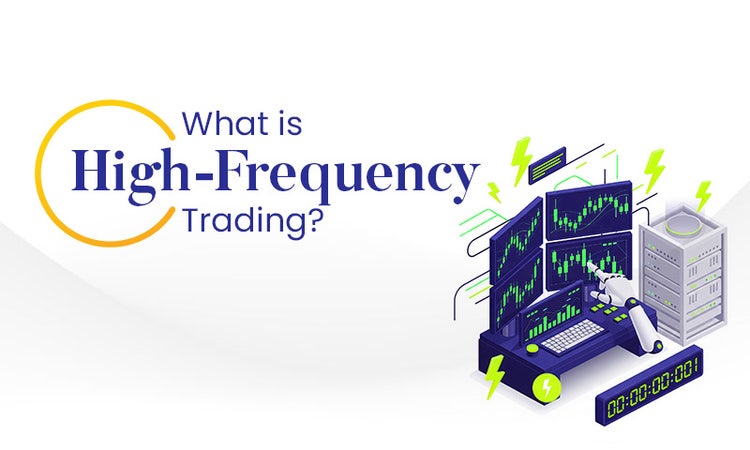
Choosing the right platform depends on your specific trading volume and cost-basis method preference. Some tools excel at FIFO (First-In, First-Out), while others support Specific ID, which allows traders to match specific lots to trades for optimal tax outcomes. The comparison below highlights how leading solutions handle these critical parameters.
For traders managing significant assets, the cost of these tools is negligible compared to the risk of compliance errors. Always verify that your chosen software supports the specific exchanges you trade on, as missing API connections can leave gaps in your tax report. Prioritize platforms that offer direct export features for IRS filing to streamline the final submission process.
What counts as a taxable event?
For active traders, the line between trading and investing is defined by taxable events. The IRS treats cryptocurrency as property, which means every disposition can trigger a tax liability. This applies whether you are moving funds between exchanges or swapping tokens on a decentralized protocol.
The most common taxable event is selling crypto for fiat currency. However, the definition extends far beyond cashing out. According to IRS guidance, trading one cryptocurrency for another is a taxable event. If you swap Bitcoin for Ethereum, you have realized a gain or loss on the Bitcoin portion of the transaction. This rule applies to all token swaps, regardless of whether the trade occurs on a centralized exchange or a DeFi platform.
Staking rewards and airdrops also create immediate tax obligations. When you receive staking rewards, the fair market value of the tokens at the time of receipt is treated as ordinary income. This income basis then becomes your cost basis for future capital gains calculations. Ignoring these events can lead to significant discrepancies in your tax reporting.
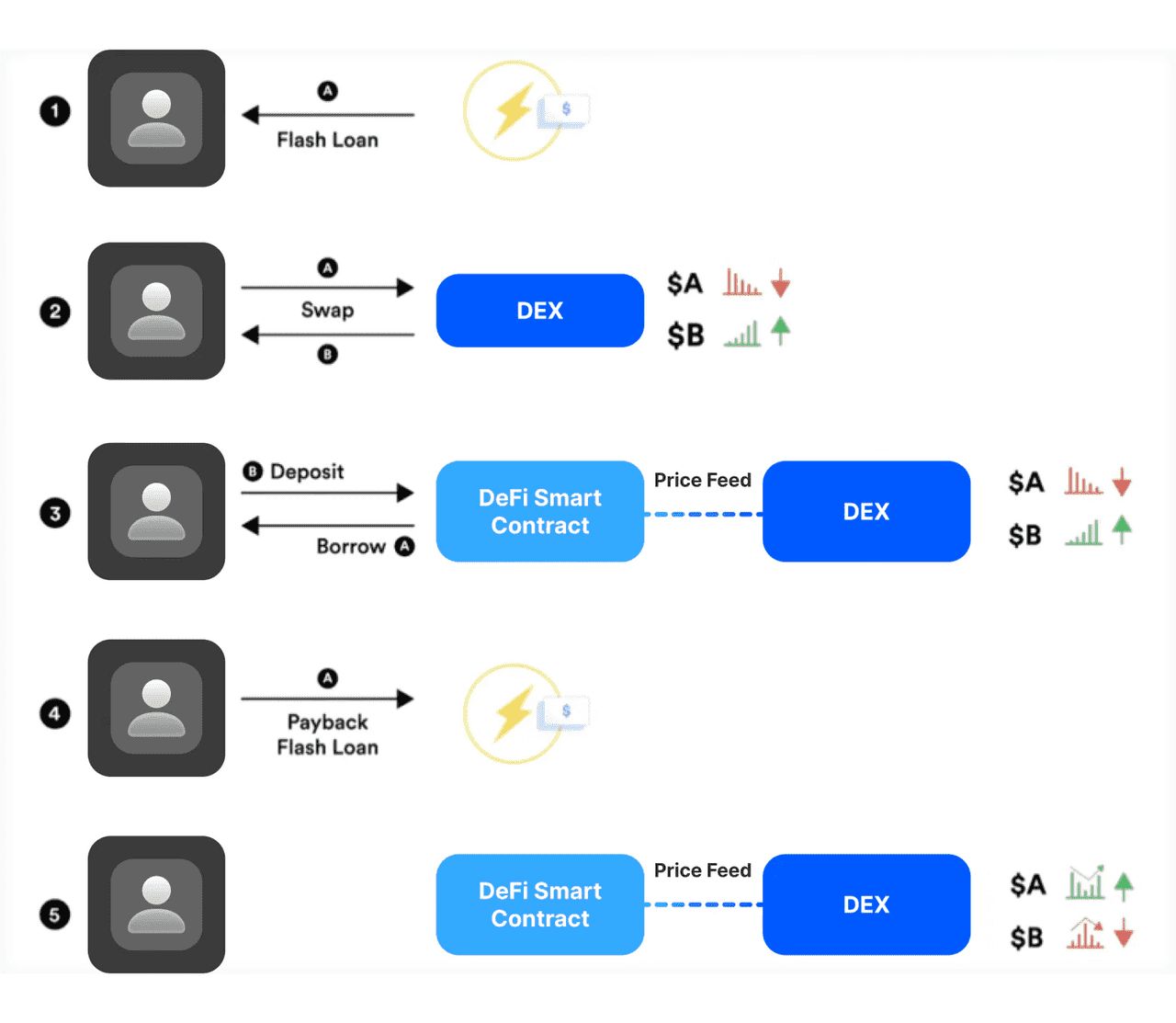
DeFi interactions introduce complex taxable scenarios. Providing liquidity to a pool or lending assets often involves temporary disposals that may trigger taxable events. Even if you do not withdraw your funds, certain protocol interactions can be construed as sales by tax authorities. Active traders must track these micro-transactions to avoid underreporting.
Understanding these events is critical for high-volume traders. Morgan Stanley notes that crypto held for one year or less is taxed at ordinary income rates, which impacts active strategies. Keeping detailed records of every swap, stake, and transfer is not just good practice; it is a legal requirement.
Strategies to manage capital gains and losses
Crypto Tax Education for Active Traders works best as a clear sequence: define the constraint, compare the realistic options, test the tradeoff, and choose the path with the fewest hidden costs. That order keeps the advice usable instead of decorative.
After each step, pause long enough to check whether the recommendation still fits the reader's actual situation. If it depends on perfect timing, unusual access, or a best-case budget, include a simpler fallback.


Common reporting mistakes to avoid
Even the most disciplined active traders can stumble when translating blockchain data into IRS Form 8949. The margin for error shrinks as trade volume increases, and a single missed transaction can trigger an audit or inflate your tax liability unnecessarily. Understanding where these errors typically occur is the first step in building a resilient tax strategy.
Missing wallet transactions
One of the most frequent errors in crypto tax education for active traders is overlooking transactions that don't appear on centralized exchange statements. When you interact with decentralized finance (DeFi) protocols, bridge assets between chains, or receive airdrops, these events are taxable but often invisible to standard 1099 reporting. If your tax software only pulls data from Coinbase or Binance, you are likely underreporting income or gains.
To avoid this, you must aggregate data from all sources. Use block explorers to verify on-chain movements and ensure your tax preparer has access to your full wallet history. Ignoring these "off-exchange" activities is a common pitfall that can lead to significant discrepancies during an audit.
Incorrect cost basis calculations
Calculating cost basis correctly is critical for active traders who buy and sell the same asset multiple times. The IRS allows specific identification, FIFO (First-In, First-Out), and average cost methods, but you must choose one and apply it consistently. A common mistake is mixing methods or failing to account for fees, which can distort your gain or loss figures.
For example, if you sell 10 ETH but bought 5 ETH three years ago and 5 ETH last week, the profit calculation depends entirely on which 10 ETH you sold. Misidentifying these lots can lead to overpaying taxes or, worse, underreporting gains. Always document your lot selection strategy and keep detailed records of every acquisition.
Failing to report crypto-to-crypto trades
Many traders mistakenly believe that swapping Bitcoin for Ethereum is not a taxable event because they didn't receive fiat currency. This is incorrect. The IRS treats crypto-to-crypto trades as a disposal of one asset and the acquisition of another, triggering a capital gain or loss based on the fair market value at the time of the trade. Failing to report these swaps is a widespread error that can result in substantial back taxes and penalties.
Every trade, no matter how small, must be recorded on Form 8949. This includes DEX swaps, NFT purchases, and staking rewards. Ensuring your tax software captures every on-chain interaction is essential for accurate reporting.
Pre-filing checklist for active traders
Before submitting your return, verify the following to ensure accuracy and compliance:
-
Aggregate all data sources: Confirm that your tax software has imported data from every exchange, wallet, and DeFi protocol you used.
-
Verify cost basis method: Ensure you are using a consistent method (FIFO, Specific ID, or Average Cost) across all similar assets.
-
Check for missing transactions: Review block explorers for any on-chain movements that did not generate a 1099 form.
-
Review fee deductions: Confirm that all transaction fees are correctly included in your cost basis or as separate deductions.
-
Reconcile totals: Cross-check your calculated gains and losses against your internal records to catch any discrepancies.
Frequently asked questions about crypto taxes
Active traders face complex reporting requirements that go beyond simple buy-and-hold scenarios. Understanding the specific costs and rules can prevent costly penalties during an IRS audit. Here are answers to the most common questions regarding crypto tax education for active traders.
How much does a crypto tax accountant cost?
Professional help is often necessary for high-volume traders. According to Fidelity, hiring a specialist typically ranges from $500 to $2,000+, depending on transaction volume. For active traders with thousands of trades, this cost is often justified by the accuracy and time saved in reporting.
How much capital gains tax will I pay on $300,000?
The rate depends on your total taxable income and filing status. For 2024, the long-term capital gains rate for high earners is 20%. However, short-term gains from frequent trading are taxed as ordinary income, which can be as high as 37%. TurboTax notes that net investment income may also trigger an additional 3.8% tax.
Will you be taxed for a $1,000 in crypto profit?
Yes. The IRS does not have a minimum threshold for capital gains tax. Every taxable event, regardless of size, must be reported. While the tax on $1,000 might be small, failing to report it can lead to discrepancies in your tax profile. Consistent reporting is critical for maintaining compliance in crypto tax education for active traders.
How to avoid getting taxed on crypto?
You cannot legally avoid taxes on realized gains. However, you can use tax-loss harvesting to offset profits. Selling losing positions can reduce your taxable income. Additionally, holding assets for more than a year may qualify you for lower long-term capital gains rates. Consult a tax professional to structure your strategy effectively.
Helpful gear
Use these product recommendations as a starting point, then choose the size, material, and price point that fit how you actually use the gear.



As an Amazon Associate, we may earn from qualifying purchases.
No comments yet. Be the first to share your thoughts!