Why manual tracking fails high-volume traders
For active traders, manual tracking is not just tedious; it is a structural liability. Every swap, trade, and transfer represents a taxable event under IRS guidelines. While retail investors might manage a handful of transactions, high-frequency traders face thousands of data points that manual spreadsheets cannot accurately reconcile.
The complexity deepens with DeFi interactions and cross-chain swaps. Each interaction requires precise cost-basis calculation, often involving complex lot identification methods like FIFO or HIFO. A single error in timestamp or price data can lead to incorrect capital gains reporting on Form 8949 and Schedule D, triggering audit flags or unnecessary tax burdens.
Reliance on manual methods creates a bottleneck that scales poorly. As trade volume increases, the time spent on reconciliation grows exponentially, diverting focus from strategy to administration. Automated infrastructure is not a luxury for active traders; it is a necessary component of a compliant and efficient trading operation.
The Technical Stack Behind Automated Tax Reporting
Active traders cannot rely on manual spreadsheets to track hundreds of transactions across multiple wallets and exchanges. The infrastructure for accurate crypto tax reporting rests on three interconnected layers: API connections, ledger aggregation, and cost-basis calculation methods. Each layer must function reliably to prevent data gaps that trigger IRS scrutiny or result in overpayment.
API Connections and Data Integrity
The foundation of any automated tax system is a secure, read-only API connection to your trading platforms. These connections pull transaction history directly from exchanges like Coinbase, Binance, or Kraken, ensuring that every trade, deposit, and withdrawal is captured in real-time. Without this automated pipeline, traders risk missing off-chain transactions or staking rewards, which are equally taxable.
Data integrity is paramount. API errors can lead to duplicate entries or missing timestamps, both of which complicate cost-basis calculations. Reputable tax software validates incoming data against exchange records, flagging discrepancies before they become tax liabilities. This automated validation is essential for high-volume traders who execute dozens of trades daily.
Ledger Aggregation and Cost-Basis Methods
Once data is ingested, the ledger aggregation engine consolidates transactions from all sources into a single, unified view. This step is critical for determining the correct cost-basis method, which directly impacts your tax liability. The IRS recognizes three primary methods:
- First-In, First-Out (FIFO): This default method assumes the earliest acquired assets are sold first. While simple, it often results in higher taxes for traders buying into dips, as older, lower-cost assets are matched against current sales.
- Last-In, First-Out (LIFO): This method assumes the most recently acquired assets are sold first. It can be advantageous in rising markets, as it matches recent, higher-cost purchases against sales, potentially lowering capital gains.
- Specific ID: This method allows traders to select exactly which lot of tokens is sold. It offers the most control and tax optimization but requires meticulous record-keeping. Many professional traders prefer Specific ID to manage tax loss harvesting strategies effectively.
The choice of cost-basis method must be consistent across all transactions for a given tax year. Switching methods mid-year requires approval from the IRS and can trigger complex reporting requirements. Automated tools simplify this by applying the chosen method uniformly across the entire ledger.
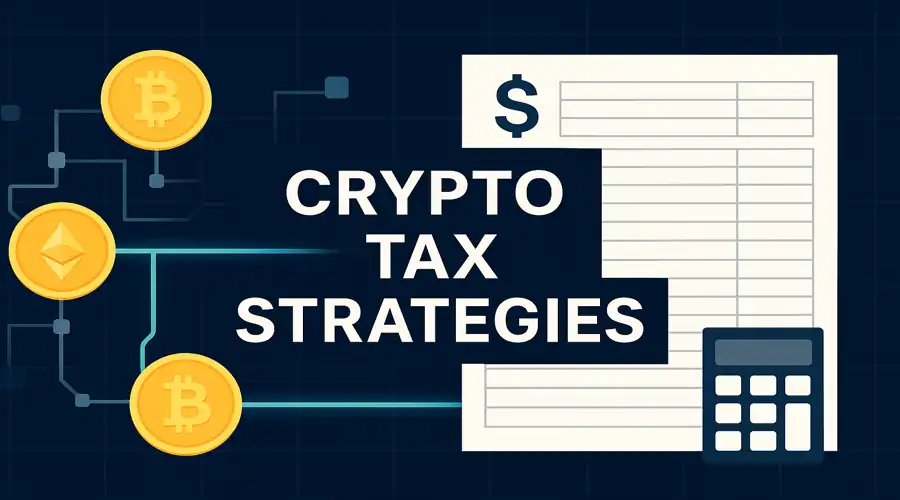
Visualizing Volatility and Tax Impact
The timing of your trades directly influences your tax bracket. High volatility in assets like Bitcoin can shift gains between short-term and long-term categories, altering your effective tax rate. Understanding this relationship is crucial for strategic tax planning.
Selecting tax software for complex strategies
Active traders with DeFi positions or cross-chain activity cannot rely on generic import tools. The gap between standard exchange history and the granular data required for accurate reporting is where most audits begin. You need software that understands the underlying transaction logic, not just the final fiat value.
The choice generally splits into two categories: exchange-focused aggregators and DeFi-native engines. Exchange-focused tools like Koinly or CoinTracker excel at ingesting CSVs and API data from centralized platforms like Coinbase or Binance. They are efficient for simple spot trading but often struggle with the opaque nature of decentralized finance. If your portfolio is mostly held on a single centralized exchange, these tools provide a reliable baseline.
DeFi-focused software, such as TokenTax or CoinTracking, is built to parse blockchain data directly. These tools can identify staking rewards, liquidity pool interactions, and cross-chain swaps that API imports frequently miss. For high-volume traders, the cost of manual reconciliation far exceeds the subscription fee. The software must handle the sheer volume of transactions without timing out or dropping data during the import process.
When evaluating options, prioritize automation capabilities over manual entry features. Look for tools that support direct API connections to major DeFi protocols and can automatically categorize complex events like yield farming or cross-chain bridge transfers. The IRS requires precise cost basis tracking; if your software cannot distinguish between a simple swap and a liquidity provision, it is not suitable for your trading volume.
| Feature | Exchange-Focused | DeFi-Native | Cross-Chain Support |
|---|---|---|---|
| Primary Data Source | API/CSV | Blockchain Node | Limited |
| Staking/Lending Support | Basic | Advanced | Full |
| Transaction Volume | Low-Medium | High | High |
| Cost Basis Method | FIFO/LIFO | FIFO/LIFO/HIFO | Flexible |
Integrating tax data with trading workflows
The easiest mistake with Crypto Tax Education for Active Traders is comparing options on the most visible detail while ignoring the day-to-day constraint. A choice can look strong on paper and still fail because it is too hard to maintain, too expensive to repeat, or awkward in the actual setting. Use the same checklist for every option: fit, cost, durability, timing, upkeep, and fallback plan. That keeps the comparison practical instead of drifting into preference alone.
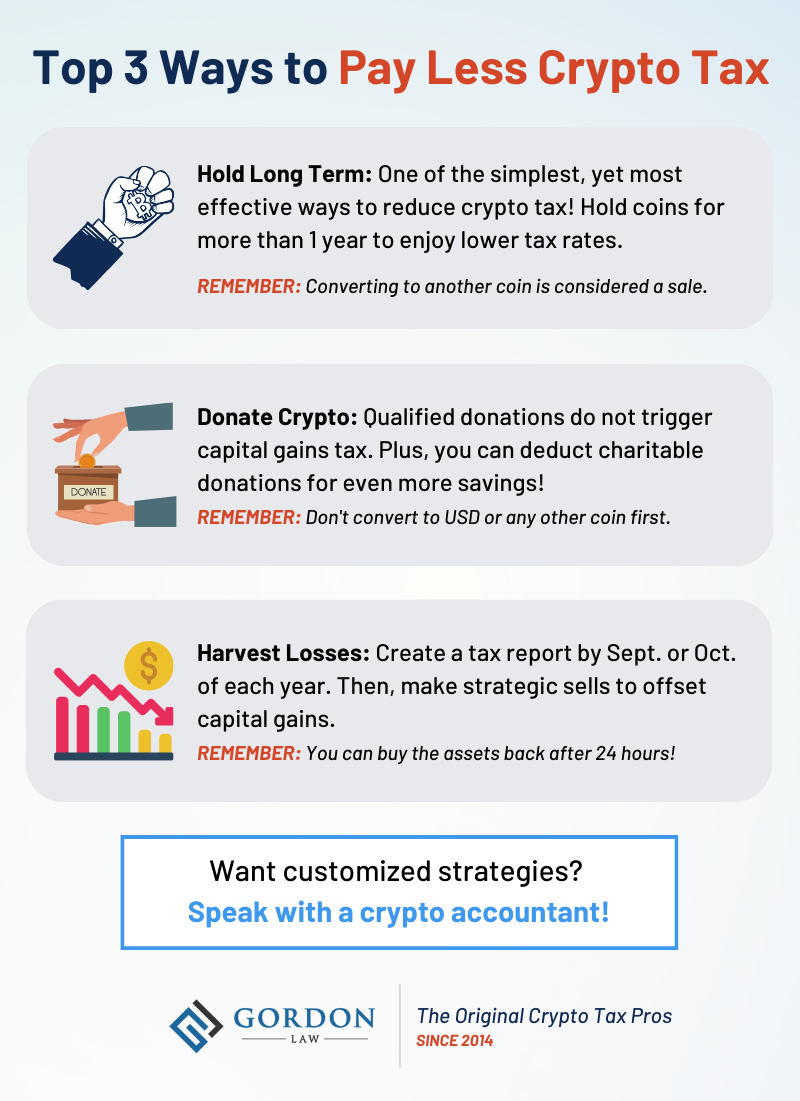

Common Questions About Crypto Tax Infrastructure
Managing crypto taxes isn't just about filling out forms; it's about understanding the underlying infrastructure that tracks your activity. For active traders, the volume of transactions can quickly overwhelm manual tracking, making automated tools essential.
Here are the most frequent questions regarding costs, visibility, and rates.
Helpful gear
Use these product recommendations as a starting point, then choose the size, material, and price point that fit how you actually use the gear.



As an Amazon Associate, we may earn from qualifying purchases.
No comments yet. Be the first to share your thoughts!