New reporting rules for 2026
The regulatory landscape for crypto is shifting from a gray area to a tightly monitored financial sector. For active traders, the 2026 tax year introduces stricter real-time reporting requirements that fundamentally change how you track and report gains. The days of relying on personal spreadsheets to reconcile complex cross-exchange activity are ending as infrastructure transparency becomes the standard.
The Internal Revenue Service (IRS) is moving toward a model where brokers and exchanges act as primary data sources. This shift means that your tax liability is increasingly determined by automated reporting rather than manual calculation. As noted in official guidance from Fidelity and Coinbase, understanding how crypto is taxed is no longer optional—it is a critical component of financial compliance. Ignorance of these new reporting structures will likely result in penalties, as the window for self-correction narrows with every passing quarter.
To navigate this high-stakes environment, you need more than just a tax calculator; you need a robust educational foundation. The IRS has clarified that digital assets are treated as property, meaning every trade, swap, or transfer is a taxable event. This includes short-term gains taxed at ordinary income rates (10% to 37%) versus long-term capital gains (0%, 15%, or 20%) for assets held over a year. The complexity of these rules demands a proactive approach to tax education.



As an Amazon Associate, we may earn from qualifying purchases.
While you build your knowledge base, keeping an eye on market volatility is essential. Tax implications often spike during high-volatility periods as traders attempt to rebalance portfolios. Understanding the current market context can help you time your reporting and strategy adjustments effectively.
The intersection of market movement and regulatory compliance requires precision. By aligning your trading strategy with these new reporting realities, you protect your assets from unexpected tax liabilities and ensure long-term compliance in an evolving digital economy.
Short-term vs long-term tax rates
For active traders, the difference between short-term and long-term crypto tax rates is not just a matter of preference—it’s a matter of keeping more of your profits. The IRS treats cryptocurrency as property, meaning every sale or trade triggers a taxable event. How much you owe depends entirely on how long you held the asset before disposing of it.
If you sell crypto within a year of buying it, any profit is taxed as ordinary income. This means your gains are added to your salary or other income and taxed at your marginal federal bracket, which currently ranges from 10% to 37%. For high-frequency traders executing dozens of trades a month, these short-term gains can quickly accumulate, creating a significant tax liability that mirrors that of a traditional salary.
Holding an asset for more than one year qualifies it for long-term capital gains rates. These preferential rates are generally lower, sitting at 0%, 15%, or 20% depending on your total taxable income. This distinction is the primary reason many traders use holding periods as a strategic tool. By consciously delaying sales past the 12-month mark, you can significantly reduce the percentage of profit paid to the IRS.
While the rate difference is substantial, tracking these holding periods manually is error-prone. Misclassifying a short-term trade as long-term can lead to underpayment penalties. This is why accurate record-keeping is non-negotiable for active traders. You need a system that timestamps every acquisition and disposition to prove your holding period if audited.
Understanding these rules is foundational. Without this knowledge, you risk overpaying taxes on trades that qualified for lower rates or underpaying on short-term flips. For traders looking to deepen their understanding of these mechanics, reviewing established educational materials can clarify how these rules apply to specific trading strategies.


As an Amazon Associate, we may earn from qualifying purchases.
Best crypto tax software for active traders
Active trading creates a data problem that standard portfolio trackers cannot solve. When you execute hundreds of trades across multiple exchanges, manual entry becomes impossible. You need software that connects directly to your broker via API and applies the correct cost-basis method before the tax season crunch.
The IRS treats crypto as property. Every swap, trade, or transfer is a taxable event. If your software misses a transaction or calculates your cost basis incorrectly, you risk an audit or overpaying taxes. The right tool automates the heavy lifting, ensuring your records match what the IRS expects.
How to choose the right tax software
Not all crypto tax software is built for high-volume traders. Many platforms struggle with large datasets or lack support for complex trading pairs. When evaluating options, prioritize three features:
- API Integration: The software must pull data automatically from your exchanges. Manual CSV uploads are error-prone and time-consuming.
- Cost-Basis Accuracy: Look for support for FIFO (First-In, First-Out), LIFO (Last-In, First-Out), and Specific Identification. The method you choose can significantly impact your tax liability.
- Scalability: Ensure the platform can handle thousands of transactions without crashing or charging exorbitant fees for higher tiers.
Comparison of top tax tools
The table below compares three leading platforms designed for active traders. Each offers different strengths depending on your trading volume and budget.
| Platform | API Support | Cost Basis Methods | Starting Price |
|---|---|---|---|
| Koinly | Yes | FIFO, LIFO, Specific ID | $49/year |
| CoinTracker | Yes | FIFO, LIFO, Specific ID | $59/year |
| TradeLog | Yes | FIFO, LIFO, Specific ID, Average Cost | $299/year |
Koinly: Best for multi-exchange consolidation
Koinly is a favorite among traders who use many different exchanges. It supports over 500 exchanges and wallets, pulling data via API to create a unified view of your portfolio. The platform handles FIFO, LIFO, and Specific Identification methods. Its interface is clean and easy to navigate, making it a solid choice for traders who want simplicity without sacrificing accuracy.
CoinTracker: Best for real-time tracking
CoinTracker offers real-time transaction tracking, which is crucial for active traders who need to monitor their tax liability throughout the year. It integrates with major exchanges and provides detailed reports that are IRS-compliant. The platform supports FIFO, LIFO, and Specific Identification. Its user-friendly dashboard makes it easy to understand your tax situation at a glance.
TradeLog: Best for professional traders
TradeLog is built specifically for professional traders who need advanced features. It supports FIFO, LIFO, Specific Identification, and Average Cost methods. The platform offers detailed tax reports and integrates with popular accounting software. While it is more expensive than other options, its robust feature set makes it worth the investment for high-volume traders.
Educational resources for crypto traders
Understanding crypto tax laws is essential for active traders. Here are some recommended educational resources to help you stay informed:



As an Amazon Associate, we may earn from qualifying purchases.
Market context
Crypto markets are volatile, and tax implications can vary significantly depending on your trading strategy. Use the following tools to monitor market trends and make informed decisions.
Key takeaways
- Choose software with robust API integration and accurate cost-basis tracking.
- FIFO, LIFO, and Specific Identification methods can impact your tax liability.
- Professional traders may benefit from advanced tools like TradeLog.
- Stay informed with educational resources and market monitoring tools.
Essential books and courses
Active traders need more than basic definitions; they need a working knowledge of how the IRS treats high-frequency activity. The line between a casual investor and a professional trader often comes down to record-keeping and tax strategy. The right educational resources bridge that gap, turning complex regulations into actionable workflows.
Start with the fundamentals. The IRS publishes detailed guidance on digital assets, including FAQ 37, which clarifies that crypto transactions are treated as property. Understanding these baseline rules is non-negotiable before diving into advanced trading strategies. For traders, the distinction between short-term and long-term capital gains can significantly impact net returns, making accurate holding period tracking essential.
For deeper dives, structured courses and specialized books provide the context self-study often misses. University-backed courses on Coursera, such as those from Duke or Michigan, offer rigorous academic frameworks for understanding blockchain technology and its regulatory implications. Meanwhile, practical guides available on Amazon focus on the day-to-day mechanics of tax-loss harvesting and portfolio reconciliation.


As an Amazon Associate, we may earn from qualifying purchases.
When selecting a resource, prioritize those that address the specific pain points of active trading: wash sale ambiguities, staking income classification, and cross-chain transaction tracking. Avoid generic "how to buy crypto" guides. Instead, look for materials that integrate with popular tax software like Koinly or CoinTracker, ensuring your education translates directly into accurate filings.
Market volatility and compliance infrastructure
For active traders, the gap between market speed and reporting accuracy is widening. As Bitcoin price action fluctuates, the volume of taxable events—swaps, staking rewards, and airdrops—expands faster than manual tracking can handle. This section breaks down how the current landscape of compliance tools is evolving to meet these demands.
Live market context
Understanding the tax impact requires looking at real-time valuation. A sudden 10% drop in asset value during a trade can significantly alter capital gains calculations. The following widgets provide live market context, illustrating why timing and valuation matter in high-frequency trading scenarios.
The rise of automated compliance
Regulatory bodies like the IRS are increasing scrutiny on digital asset reporting. Tools are shifting from simple ledger tracking to full-spectrum compliance, integrating directly with exchanges to pull transaction data automatically. This reduces the risk of human error and ensures that short-term and long-term capital gains are categorized correctly.
Essential reading for active traders
While software handles the math, understanding the underlying rules is non-negotiable. The following educational resources provide the foundational knowledge needed to navigate crypto tax education for active traders effectively.



As an Amazon Associate, we may earn from qualifying purchases.
Key takeaways for 2026
Compliance is no longer optional; it is a core component of trading strategy. By leveraging automated tools and staying informed through official sources, traders can mitigate risk and focus on performance.
Checklist for tax season readiness
Active traders often face the steepest compliance curve because volume creates complexity. A missed trade or misclassified wallet can trigger an audit or unnecessary tax liability. Use this workflow to organize your records before filing, ensuring your data aligns with IRS guidance on digital assets.
Export CSV files from every exchange and wallet you used. Ensure your data includes the date, time, asset type, quantity, and fair market value in USD at the moment of the transaction. Missing timestamps are the most common error in crypto tax reporting.
Identify internal transfers between your own wallets or exchanges. These events are not taxable, but they must be recorded to prove ownership. Without this reconciliation, the IRS may view every incoming transaction as income or a new purchase.
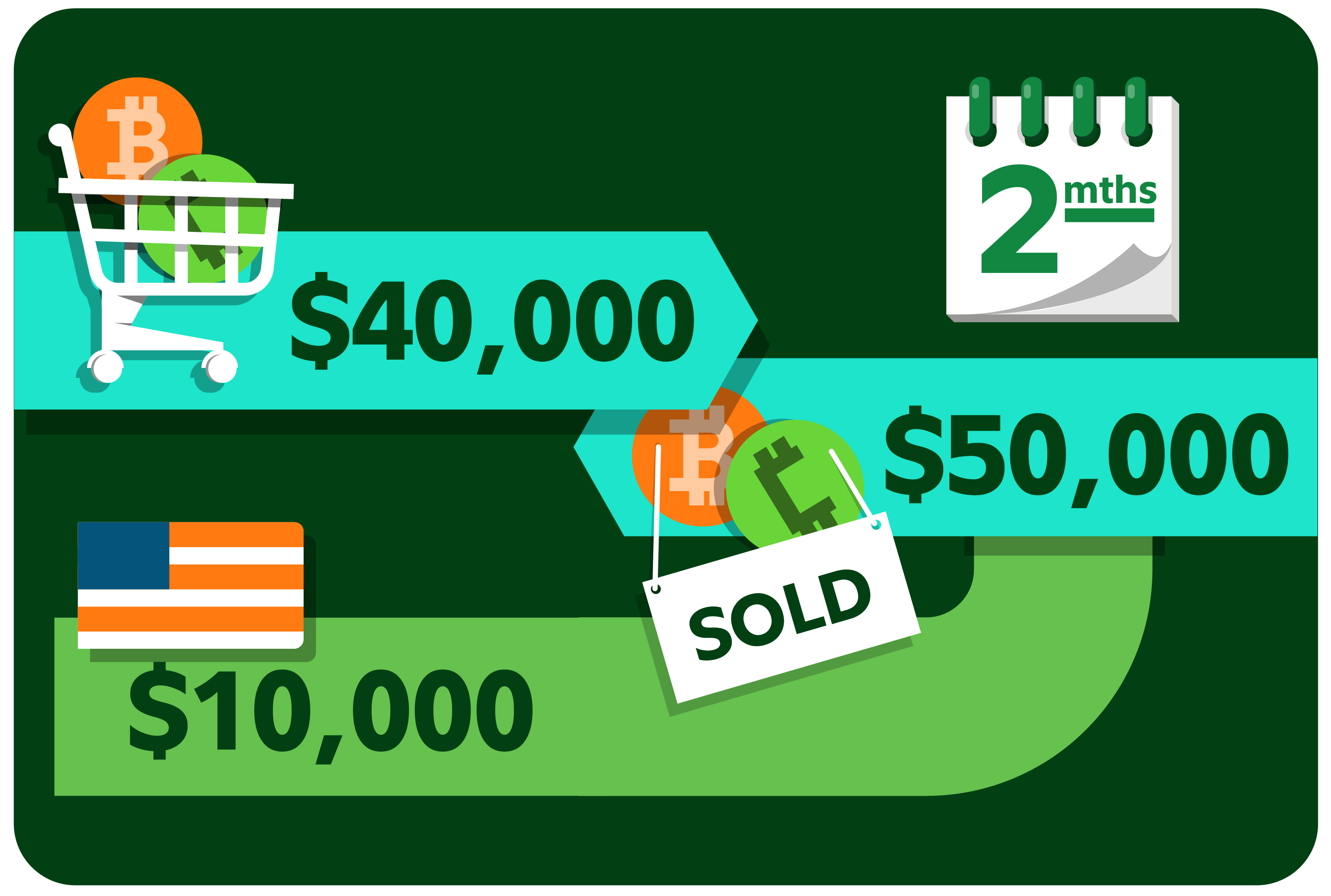
Classify each sale as short-term (held one year or less) or long-term (held more than one year). This distinction dictates whether your gains are taxed at ordinary income rates or favorable capital gains rates. Accurate holding period tracking is essential for minimizing your tax burden.

Use the FIFO (First-In, First-Out) method unless you can specifically identify the units sold. Match each sale against the cost basis of the corresponding purchase. Fidelity and other major custodians provide tax forms that simplify this, but you must verify the calculations against your raw data.
Check for sales followed by repurchases of the same asset within 30 days, which may disallow losses under current interpretations. Also, report all staking rewards, airdrops, and yield farming income as ordinary income on the date received. These are often overlooked but fully taxable.
To support your learning, consider these educational resources that clarify complex tax scenarios:


![(Old Version) H&R Block Tax Software Premium 2024 Win/Mac with Refund Bonus Offer (Amazon Exclusive) [PC/Mac Online Code]](https://m.media-amazon.com/images/I/51tob7UDgCL._AC_UY654_QL65_.jpg)
As an Amazon Associate, we may earn from qualifying purchases.
Technical context matters when valuing assets at the time of trade. Market volatility can significantly impact your cost basis calculations.
Frequently asked questions about crypto tax education
Understanding the tax code is the first step in protecting your portfolio. Here are the most common questions active traders ask about holding periods, educational resources, and specific tax rules.


As an Amazon Associate, we may earn from qualifying purchases.
For real-time market context, see the current performance of Bitcoin and Ethereum below. Tax obligations are calculated on the fair market value at the time of each transaction.
No comments yet. Be the first to share your thoughts!